Introduction
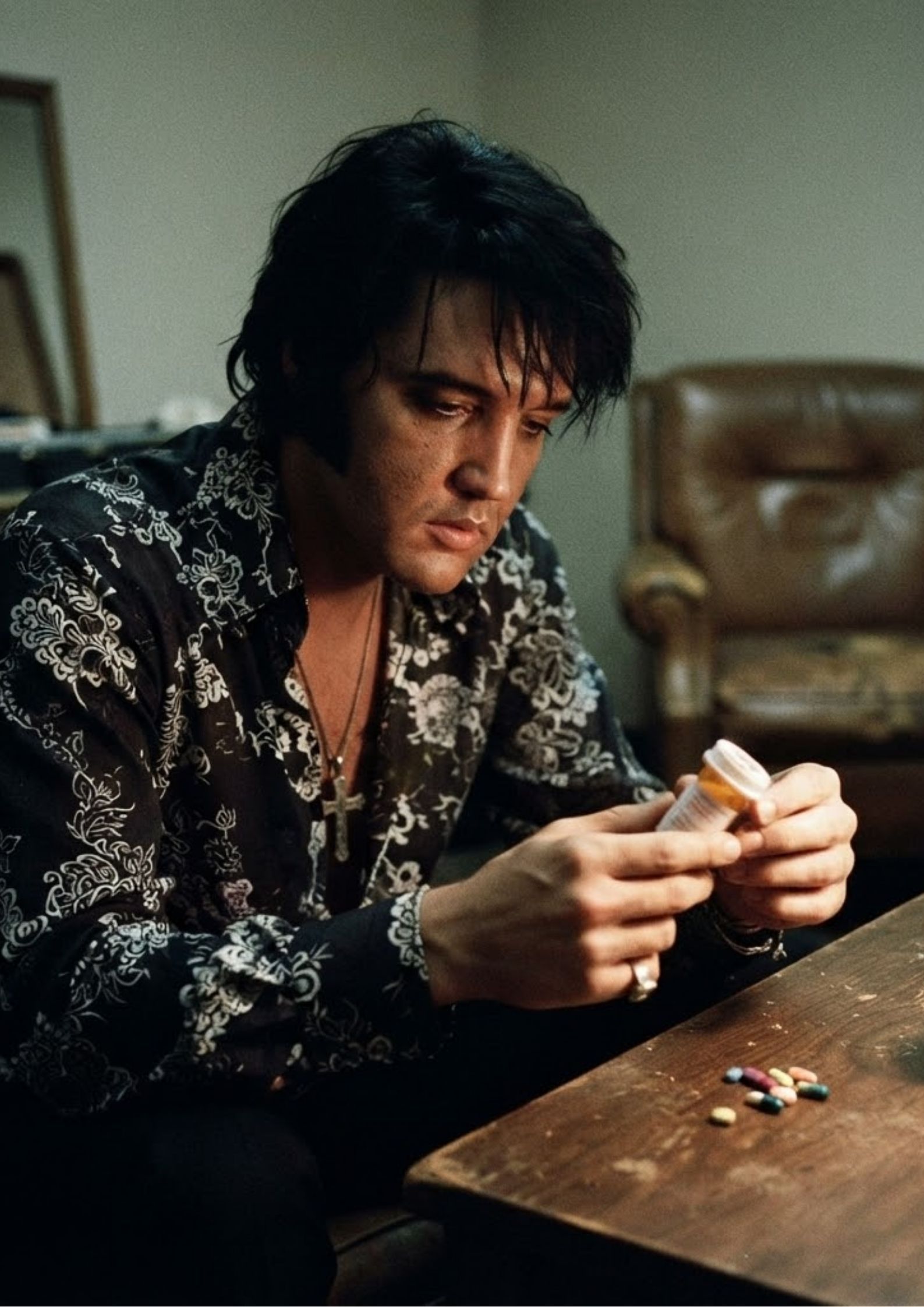
Hidden Secrets: The Dark Truth Behind the Vortex of Addiction That Claimed Elvis Presley
When the conversation turns to the architects of modern music, the name Elvis Presley invariably stands at the pinnacle. He was an icon whose raw charisma and timeless voice captured the imagination of a generation, transforming the cultural landscape forever. Yet, the story of the King is ultimately a tale of two realities: the dazzling public spectacle of sold-out arenas and the quiet, agonizing shadows that consumed his later years. For those who grew up listening to his records and sharing in the soundtrack of an era, looking back at his struggles with pharmaceutical dependency offers a sobering perspective on the true cost of unmatched fame.
As his career shifted from the silver screen to grueling, relentless concert schedules—most notably his demanding residencies in Las Vegas—the physical toll on Presley became astronomical. To meet the punishing demands of performing multiple shows a week, a vicious cycle took hold. He turned to uppers to muster the boundless energy required to command a stage, only to find himself dependent on downers in a desperate attempt to quiet a racing mind and force a weary body to rest. What began as a convenient tool for endurance soon mutated into an unyielding master, quietly dismantling the vitality of a musical titan.
Those closest to him, the loyal companions who stood by his side through decades of triumphs, watched with mounting dread as prescription bottles filled the spaces where peace of mind should have resided. The tragedy was compounded by profound isolation. Despite being surrounded by admirers and employees, Elvis grew increasingly paranoid and burdened by the crushing weight of his own myth. The formidable business machinery built around him often insulated him from reality, leaving him vulnerable to enablers rather than protectors. His enormous wealth could not purchase the simple gift of genuine rest or emotional sanctuary.
When the King passed away in August 1977 at just forty-two years of age, the loss reverberated across the globe, leaving millions mourning an unfinished journey. For mature, discerning audiences, remembering Elvis requires holding both truths in balance: the transcendent brilliance of his artistry and the heavy, preventable storm that ended his life too soon. By reflecting honestly on his battles with dependency, we strip away the myth to recognize the fragile human heart beating beneath the gold-embroidered jumpsuits, ensuring his legacy is met not just with admiration, but with profound empathy and understanding.