Introduction
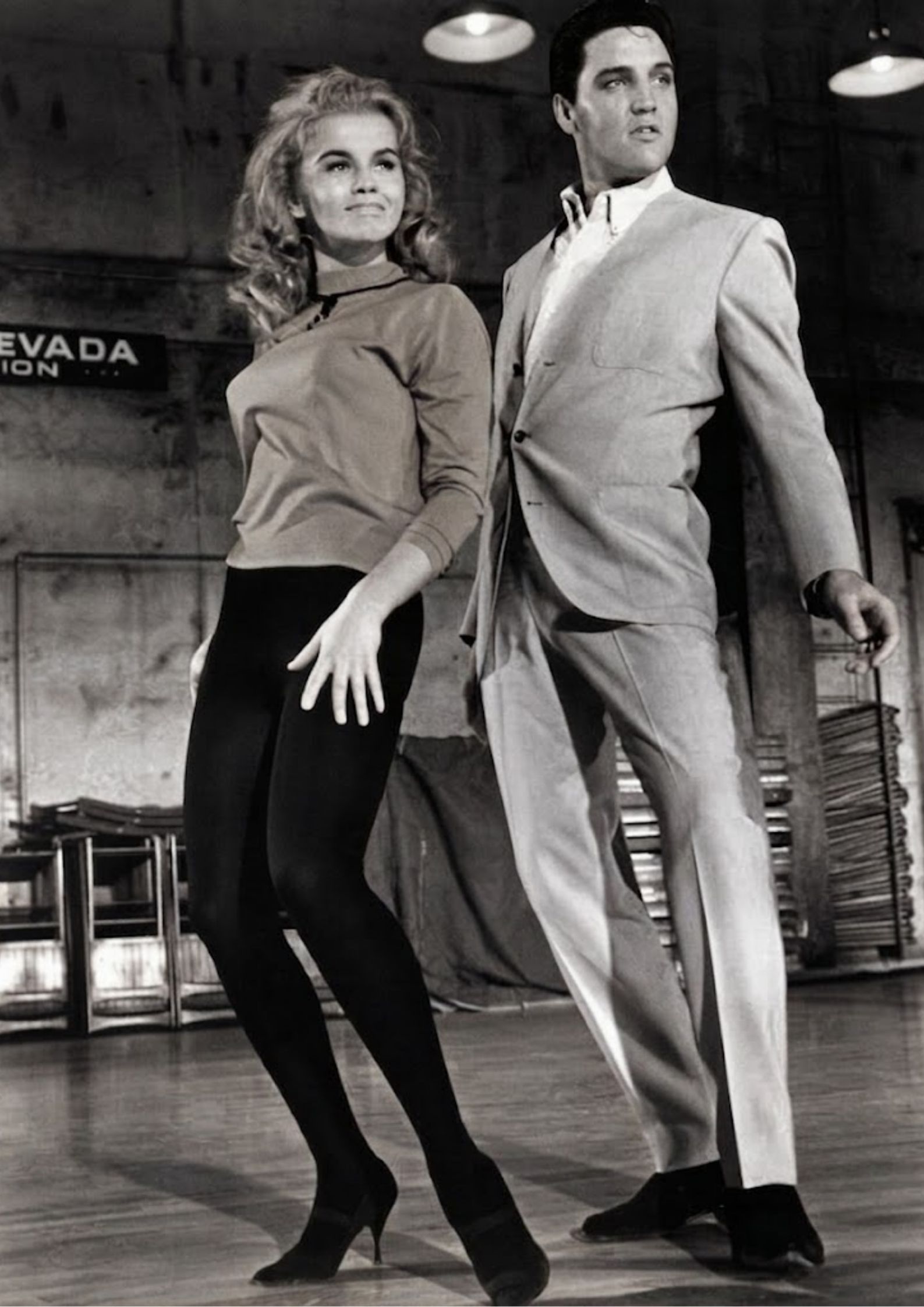
The Great Television Censorship Fiasco: How Establishment Panic and Narrow-Minded Critics Tried to Silence Elvis Presley!
For those of us who lived through the seismic cultural shifts of the mid-20th century, few phenomena match the electric shock wave sent across America by a young Elvis Presley. Emerging onto the national stage in the mid-1950s, Elvis did more than simply introduce a new sound; he ignited a profound generational divide. By fusing the raw emotional cadence of rhythm and blues with country and gospel, his dynamic performances created a level of teenage hysteria that the entertainment world had never witnessed before.
Yet, this unprecedented adoration from the younger generation was met with fierce backlash from traditional adults and cultural guardians. To millions of teenagers, Elvis represented freedom, authenticity, and an exhilarating break from rigid postwar conformity. To their parents and conservative television critics, however, his uninhibited physical energy, distinctive vocal styling, and spirited stage movements were viewed as shocking, rebellious, and entirely inappropriate. Mainstream television programs scrambled to contain the controversy he generated.
The friction between public fascination and establishment censorship reached its iconic peak during his appearances on major variety programs. Following intense public debate over his energetic style on earlier broadcasts, television host Ed Sullivan famously ordered camera crews during a 1957 appearance to film Elvis strictly from the waist up. Network executives hoped to mask the vibrant physical rhythm that drove teenagers wild, leaving home viewers to guess at the dynamic performance unfolding on stage. Naturally, this heavy-handed attempt at censorship completely backfired, only intensifying the public fascination and fueling the unstoppable momentum of Elvis mania.
Looking back with the perspective of time, we can recognize that these early controversies were the birth pangs of a modern cultural revolution. Elvis Presley proved that music possesses the extraordinary power to break down barriers, challenge established norms, and give voice to a new generation, leaving a permanent imprint on the history of American art.