Introduction
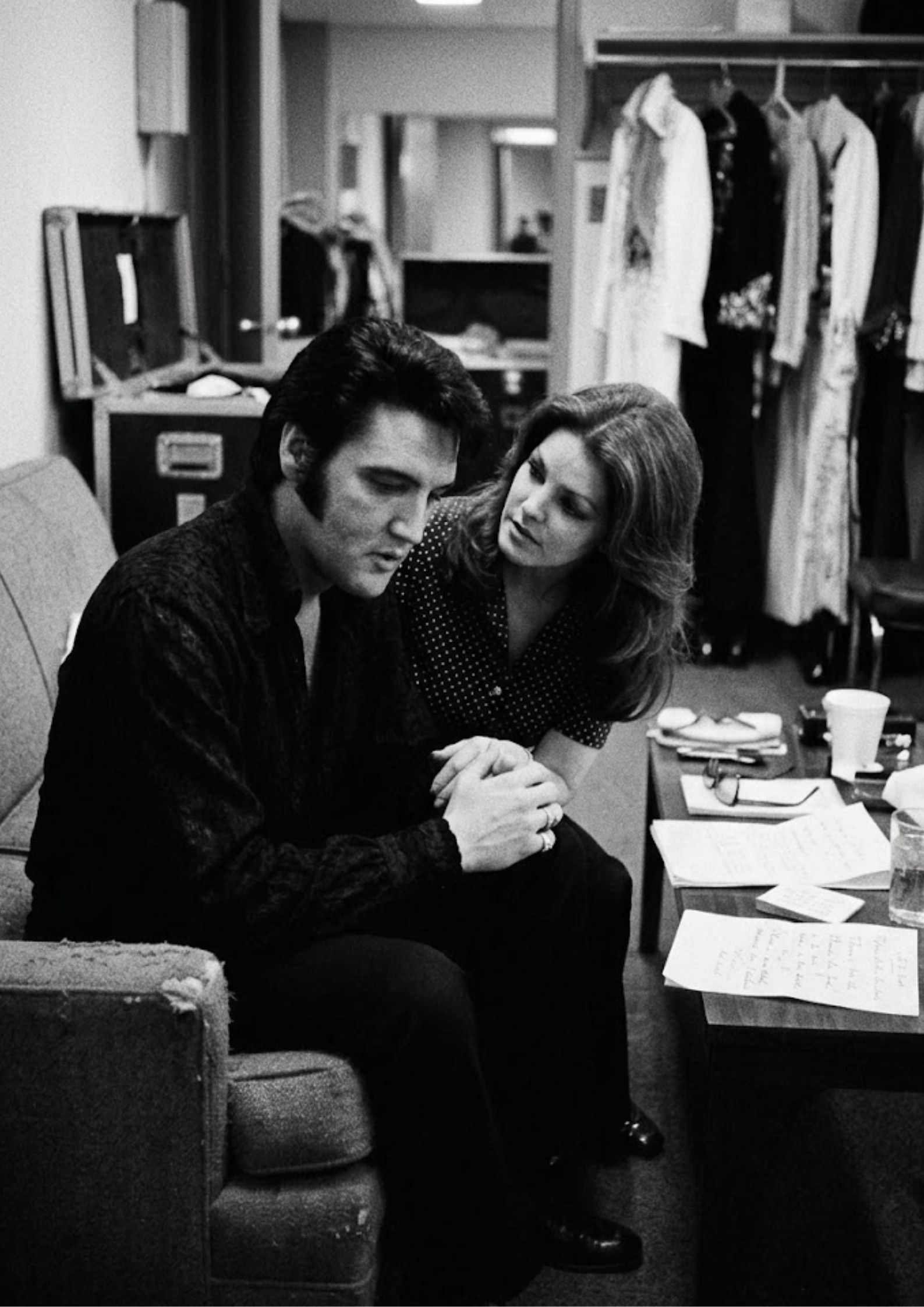
The Unbreakable Bond: Why Priscilla Left the King But Never Stopped Loving Elvis
For half a century, the public narrative surrounding Elvis Presley has been framed by stage spectacles, monumental records, and the tragic excess of American mythology. Yet the most intimate witness to the human being beneath the cape was Priscilla Presley. In a reflective re-examination of her life and enduring bond with the King of Rock and Roll, Priscilla moves past celebrity folklore to deliver an unvarnished account of extraordinary devotion, personal sacrifice, and the heavy price of cultural immortality.
Meeting in Germany in 1959, their connection was defined as much by quiet vulnerability as global fame. Beyond the stage persona, Elvis was an introspective, deeply searching figure—frequently immersed in Scripture, philosophical texts, and spiritual music. Songs like How Great Thou Art were not merely studio tracks, but visceral expressions of an artist seeking meaning. However, this profound sensitivity existed alongside escalating pressures. Priscilla witnessed early on the subtle encroachment of prescription stimulants and sleep aids, an institutional reliance that gradually took a visible toll on his vitality and artistic drive.
Her decision to end their marriage at age 27 was born not out of diminished affection, but a desperate need to claim an identity outside the overwhelming gravity of the Presley orbit. The bond between them never truly broke. Elvis never remarried, late-night phone conversations endured, and their mutual dedication to daughter Lisa Marie remained the anchor of their lives until his sudden death in August 1977.
In the decades that followed, Priscilla shouldered the dual burden of grief and stewardship. Resisting pressure to liquidate the financially strained Graceland estate, she made the high-stakes decision to open its gates to the world, safeguarding the sanctuary of an American icon. Navigating monumental private tragedies—culminating in the devastating loss of Lisa Marie—Priscilla has continually defended the family legacy while building her own path. Her testimony strips away the commercial caricature, reminding us that behind the myth stood a complex, fragile artist whose greatest triumphs and deepest sorrows were fundamentally human.