Introdution
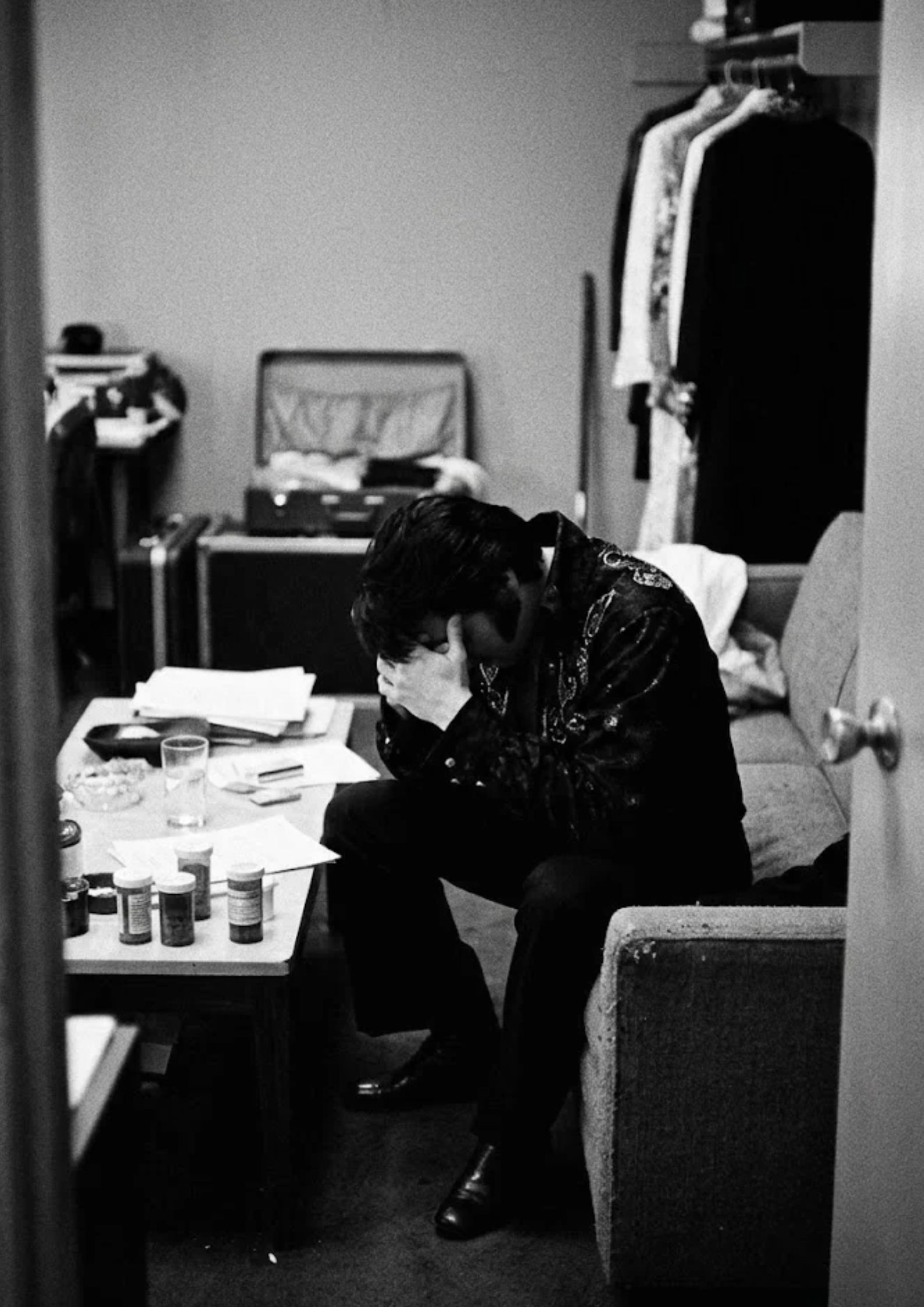
The King’s Fatal Trap: The Shocking Addiction That Quietly Killed an American Legend
To those of us who came of age during the vibrant dawn of American rock and roll, the name Elvis Presley carries an almost mythic weight. Born in 1935 in the rural quiet of Tupelo, Mississippi, this once-humble young man ignited an artistic revolution that permanently transformed the fabric of modern popular culture. Armed with an instinctive genius that seamlessly united rockabilly, country, gospel, and the heartfelt rhythms of the blues, he captured the global imagination with monumental recordings like Heartbreak Hotel and Jailhouse Rock. Yet beneath the glittering marquee lights, the Hollywood soundstages, and the deafening roar of arena crowds, there lay an intensely private ordeal that history often struggles to reconcile with his royal title.
The demands placed upon Presley were without precedent. In an era before modern sports medicine and artist wellness existed, the grueling rigors of relentless concert tours and non-stop film production schedules took a profound toll. To sustain such superhuman expectations, Elvis became ensnared in a tragic, escalating reliance on prescription medications. Unlike the sensationalized street vices often associated with later generations of rock musicians, the King’s struggle was quiet, institutional, and largely hidden behind the dignified gates of Graceland. It was a chemical regimen intended initially to manage chronic insomnia, physical fatigue, and the immense burden of being the most recognizable face on earth.
Over time, this hidden battle with dependency began to cast a long, melancholic shadow over his extraordinary vitality. While his towering vocal power and instinctive connection to his audience never truly abandoned him, his private world grew increasingly insular and fragile. The tragedy of Elvis Presley was not a lack of fortitude, but the devastating price of an unforgiving stardom that offered no pause for human vulnerability.
Viewing this complex chapter through a mature lens does not diminish his monumental stature; rather, it humanizes an icon. It reminds us that behind the velvet capes and dazzling charisma walked a gentle, deeply gifted man wrestling with solitary human burdens. Long after the final curtain fell, Elvis’s artistic legacy remains timeless, while his quiet struggles offer an enduring, poignant reflection on the heavy cost of undisputed greatness.