Introduction
From Despair to Dream: How Elvis Presley Healed a Fractured Nation
When the tumultuous year of 1968 drew to a close, American society felt profoundly fragmented and exhausted. The tragic assassinations of leaders like President John F. Kennedy and Martin Luther King Jr. had left deep, unhealed wounds across the cultural landscape, plunging the nation into a heavy collective grief. Amidst this backdrop of civil unrest and profound uncertainty, television networks scrambled to produce a holiday special for Elvis Presley—an artist who had spent much of the decade sequestered in the predictable formulas of Hollywood cinema, far away from his true domain on the live stage. Yet, what emerged from the production studios was not merely a nostalgic musical retrospective, but a transformative cultural milestone anchored by one extraordinary anthem: “If I Can Dream.”
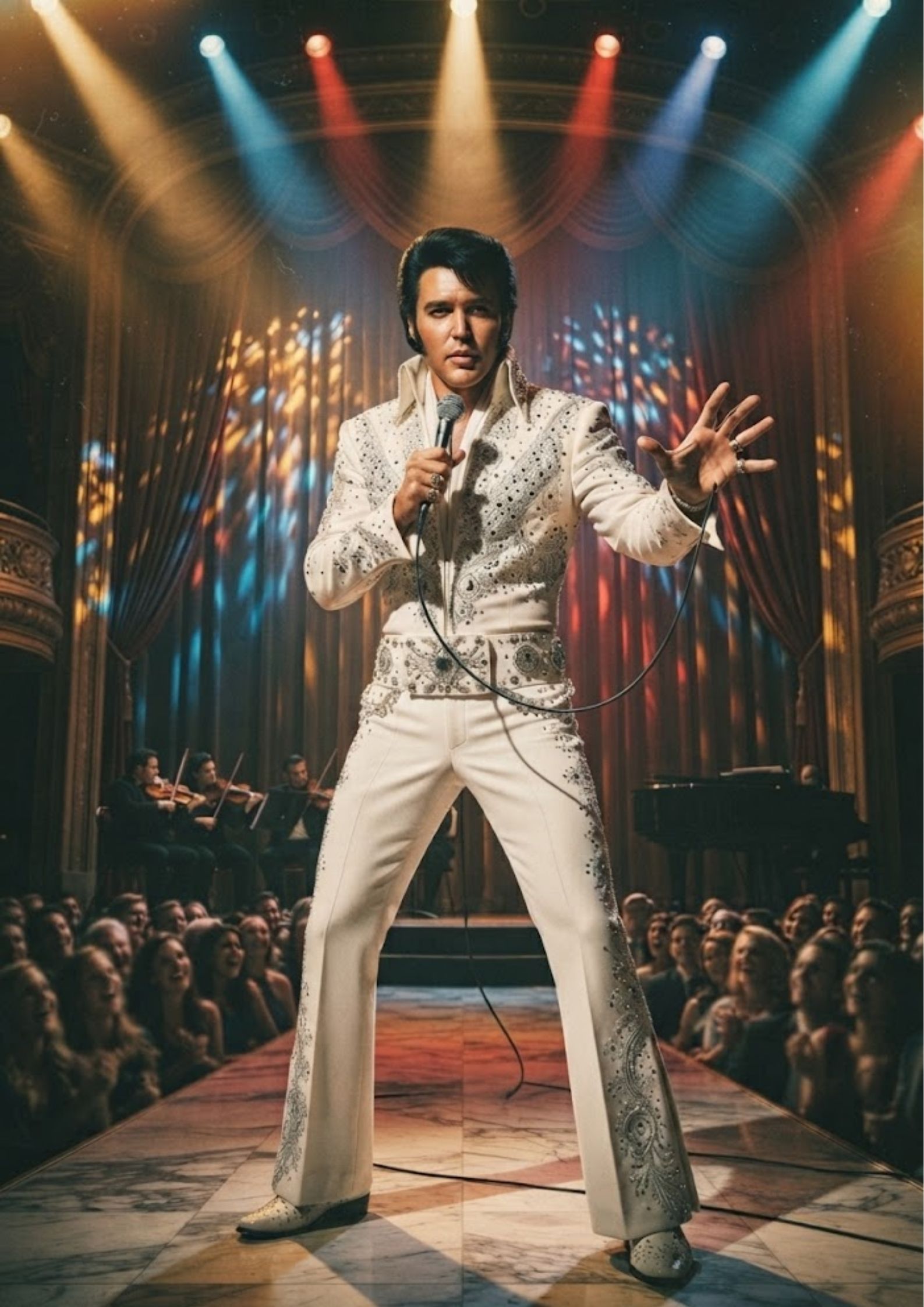
For discerning music enthusiasts and mature audiences who lived through those turbulent decades, the ’68 Comeback Special was a revelation. Elvis did not simply return to singing; he stripped away the layers of commercial packaging to bare his soul. The culmination of the broadcast featured him standing alone on stage in a stark white suit, stepping away from the traditional rock and roll tropes that had defined his youth. As he launched into “If I Can Dream,” written specifically for him by Walter Earl Brown, the performance transcended standard entertainment. Incorporating poignant spoken-word elements echoing the poignant dreams of Martin Luther King Jr., Elvis poured an unprecedented level of emotional urgency and raw sincerity into every single lyric.
The brilliance of the song lay in its profound alignment with the national psyche. At a time when division seemed insurmountable, the lyrics offered a soaring meditation on hope, brotherhood, and the enduring human capacity for change. Elvis delivered the performance with a fierce, burning conviction that silenced any remaining doubts about his artistic relevance. He wasn’t just performing a track; he was acting as a communal voice, channeling the silent prayers of millions who longed for peace and social harmony. His powerful vocals swelled with a visceral intensity that reminded listeners why he was crowned the King of Rock and Roll in the first place—not merely because of his unmatched charisma, but because of his uncanny ability to connect directly with the human heart.
Reflecting upon this monumental moment decades later, “If I Can Dream” stands as a testament to the healing power of art. It proved that music could act as a bridge across ideological divides, offering solace during history’s darkest hours. For those who remember the sheer emotional weight of 1968, Elvis’s performance remains an indelible reminder of a time when a single voice dared to sing of a better tomorrow, inspiring generations to keep believing in the possibility of grace and unity.