Introduction
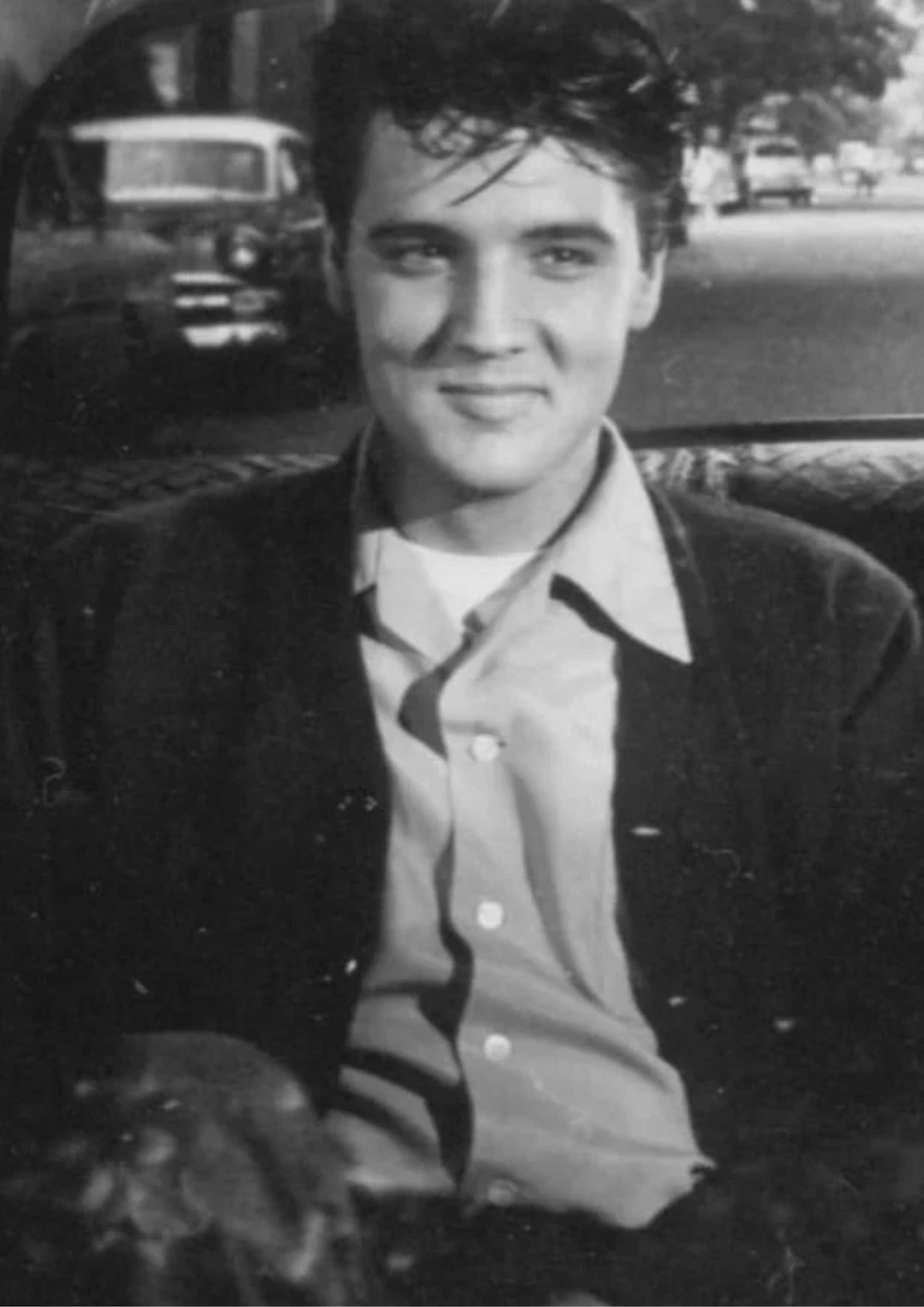
The Gilded King’s Backroads: 6 Shockingly Free Memphis Landmark’s Every Elvis Fan Must Explore During Elvis Week
MEMPHIS, TN — As August approaches, the sweltering Mid-South air begins to hum with the familiar, electric cadence of Elvis Week. Tens of thousands of pilgrims will descend upon Memphis, ready to open their wallets to the staggering financial gauntlet of the modern tribute industry. Between soaring hotel rates, parking fees, and the hefty, tiered ticket prices of the Graceland complex, honoring the King of Rock and Roll has become a luxury pursuit.
Yet, the true soul of Elvis Presley was never forged behind the high-dollar turnstiles of modern museums.
In the 1950s, before the world demanded he become a gilded deity, Presley was a working-class Memphis kid, navigating a gritty, vibrant river city on foot, by bus, and in the passenger seats of borrowed cars. Remarkably, several of the most historically significant, deeply intimate sites connected to his rise are completely free to the public.
Below is an insider’s guide to six essential, no-cost Memphis landmarks that every fan must visit to experience the unvarnished, human history of the man who changed the world.
1. The Living Heritage: Egg King Cafe
(4458 Elvis Presley Boulevard)
Most visitors to Boulevard stay on the east side of the highway, waiting in ticket queues. But just a short walk down the road, tucked into an unassuming storefront, sits the Egg King Cafe.
This is not merely a breakfast spot; it is a living bridge to the private sanctuary of Graceland. The cafe is owned and operated by William, the grandson of Nancy Rooks—the legendary maid and cook who began her service at Graceland in May 1957, just as Elvis bought the property. Rooks spent decades preparing the Comfort-food Elvis craved, witnessing the private triumphs and quiet, midnight vulnerabilities of the Presley family.
While the eggs and coffee require a purchase, stepping inside the cafe and engaging with a family that actually served the King in his most candid moments is a priceless, intimate historical connection that costs absolutely nothing.
2. The Rails of Hollywood Destiny: Central Station Hotel
(545 South Main Street)
Now a beautifully restored, historic hotel, Central Station was once the beating, industrial heart of Memphis travel. On April 18, 1960, this bustling transit hub was the staging ground for a pivotal moment in Presley’s career. Freshly discharged from the U.S. Army, Elvis arrived here to board a private railroad caravan bound for Los Angeles to film G.I. Blues—his high-stakes return to Hollywood.
As the train prepared to depart, Elvis turned to his army brother and close confidant, Charlie Hodge, impulsively inviting him to join the entourage to California. That single, off-hand invitation launched Hodge’s decades-long career as Elvis’s onstage coordinator, harmony vocalist, and guitar-hander.
Today, visitors can walk freely through the towering, cinematic lobby of the hotel, stand on the historic grounds where the trains once hissed, and absorb the atmosphere of a gateway that launched the King into his cinematic era.
3. The Booth of the Young Revolutionary: The Arcade Restaurant
(540 South Main Street)
Directly across the street from Central Station sits The Arcade Restaurant, Memphis’s oldest cafe (established in 1919). With its neon signage, retro booth seating, and weathered counter, the Arcade remains exactly as it was when a young, heavily greased truck driver named Elvis Presley used to slide into the back booth.
Long before he was the King, Elvis was a regular here, famously ordering peanut butter and banana sandwiches (and sometimes bacon) in the back-left booth, now formally dedicated to him. The restaurant was a natural hangout for the local musicians and radio personalities who would soon spark a cultural revolution.
While ordering a meal requires a ticket, crossing the threshold of this preserved time-capsule, viewing the historic photographs, and standing beside the very booth where Elvis sat as an ambitious teenager is entirely free.
4. The Prom and the Outfitter: The Peabody Memphis & Lansky Bros.
(149 Union Avenue)
No visit to Memphis is complete without stepping inside the legendary, Italianate grand lobby of The Peabody Hotel. While overnight stays here require a small fortune, the lobby itself is a majestic, open public space. Visitors can gather for free twice daily (at 11:00 AM and 5:00 PM) to watch the world-famous Peabody Ducks march down the red carpet to the lobby’s travertine fountain—a beloved local tradition.
For the Elvis historian, the Peabody is holy ground. In May 1953, a teenage Elvis, still a student at Humes High School, attended his senior prom here with his date, Regis Wilson, nervously walking the grand room long before he could afford its luxury.
While inside, fans can explore Lansky at the Peabody. The Lansky family plays an irreplaceable role in the Elvis mythos. Bernard Lansky, the legendary “Outfitter to the King,” was one of the few shopkeepers on Beale Street who treated the impoverished, eccentric teenager with genuine respect, allowing him to browse the flashy, colorful clothes he couldn’t yet afford. Lansky would eventually style Presley for his first appearance on The Ed Sullivan Show and continue to define his signature, rebellious wardrobe. Simply browsing the vintage memorabilia and historic style on display is a masterclass in the birth of rock-and-roll fashion.
5. The After-Hours Gathering: Earl’s Hot Biscuits Site
(Now Captain D’s, 179 East H. Crump Boulevard)
History isn’t always preserved in marble; sometimes, it’s found on a bustling commercial corner. At 179 East H. Crump Boulevard, where a Captain D’s now stands, once sat Earl’s Hot Biscuits—a legendary, late-night Memphis diner that served as a critical after-hours hub for the emerging rockabilly scene of the 1950s.
In the early days of Sun Records, after sweating through exhausting, high-energy shows at local high schools and flatbed trucks, Elvis, Scotty Moore, and Bill Black would crowd into Earl’s alongside local teenagers, refueling on cheap biscuits and charting their next moves.
While the original structure has been replaced, visiting this corner offers a grounded, unvarnished look at the real Memphis Elvis inhabited—a reminders that his revolutionary sound was born in the neon-lit, late-night grease of 24-hour diners, far from the polished gates of his future empire.
The Real Legacy
“How much does it cost if it’s free?” Colonel Tom Parker would famously joke, always looking for a transaction. But the real history of Elvis Presley is not a commodity to be bought and sold.
By stepping away from the commercial spectacle and walking these six open, historic spaces, you aren’t just saving your travel budget. You are reconnecting with the authentic, human scale of a boy from Mississippi who dreamed, ate, traveled, and wore the very fabrics of the city that made him. This Elvis Week, the best memories in Memphis are exactly as they were in 1953: waiting on the next train, inside a historic lobby, and entirely free to anyone willing to look.
Now that you’ve seen the backstreets where the legend was born, which of these landmarks will you explore first? Do you think the true spirit of Elvis is better felt in these open, historic spaces or behind the grand gates of his legendary estate? Let us know in the comments below!