Introduction
The Tragic Truth Behind the Crown: Why Absolute Fame Destroyed the Man Called Elvis!
For those of us who lived through the golden era of rock and roll, the image of Elvis Presley remains timeless—a towering figure of unmatched musical genius, glittering jumpsuits, and roaring stadium crowds. Yet, behind the glamorous facade and the blinding lights of global superstardom lay a much more complex and melancholic reality. As reflected in candid reflections from those who knew him best, the private life behind the crown was heavily weighed down by the suffocating pressures of fame and the profound isolation that accompanied it.
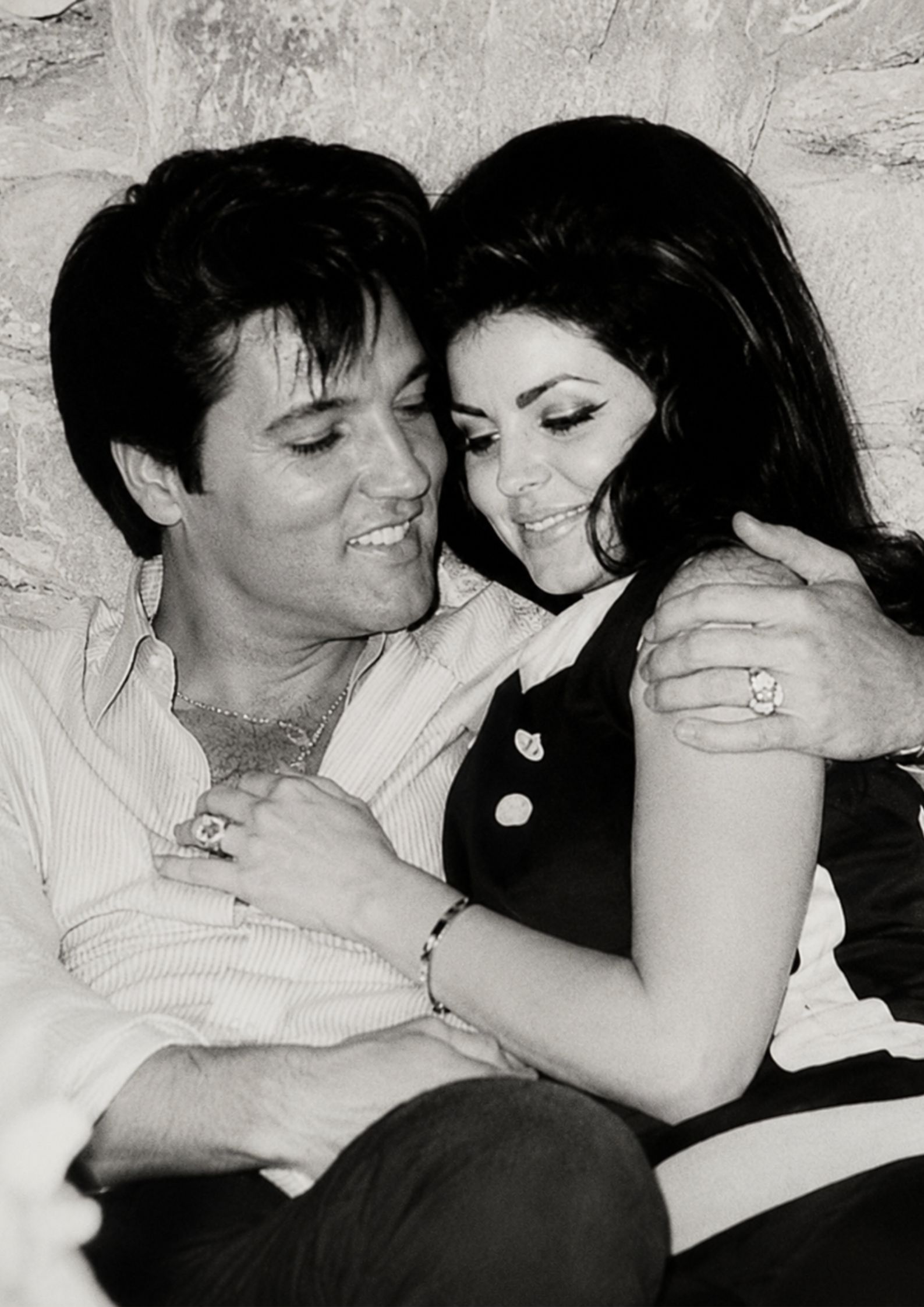
The marriage between Elvis and Priscilla was frequently romanticized by the public as a modern fairytale, but the day-to-day existence within the gates of Graceland told a different story. Living under the intense microscope of international celebrity meant navigating an environment where true domestic peace was exceptionally rare. Elvis found himself trapped by the heavy demands of his career and the rigid expectations managed by his team, often longing for serious artistic expression rather than the repetitive, commercialized roles he was forced to accept. This creative frustration, combined with the relentless goldfish-bowl existence of stardom, created a heavy emotional toll.
Furthermore, the era’s pervasive reliance on prescription medications—then viewed casually as an everyday remedy for sleeplessness and exhaustion—additionally weighed on his daily routine. Despite his immense cultural impact and the adoration of millions, Elvis carried a deep-seated fear of being forgotten, searching constantly for purpose through spiritual readings and gospel music. Ultimately, the burden of maintaining the myth of the King became too great, demonstrating that absolute fame often demands a devastating personal sacrifice from the human being wearing the crown.