Introduction
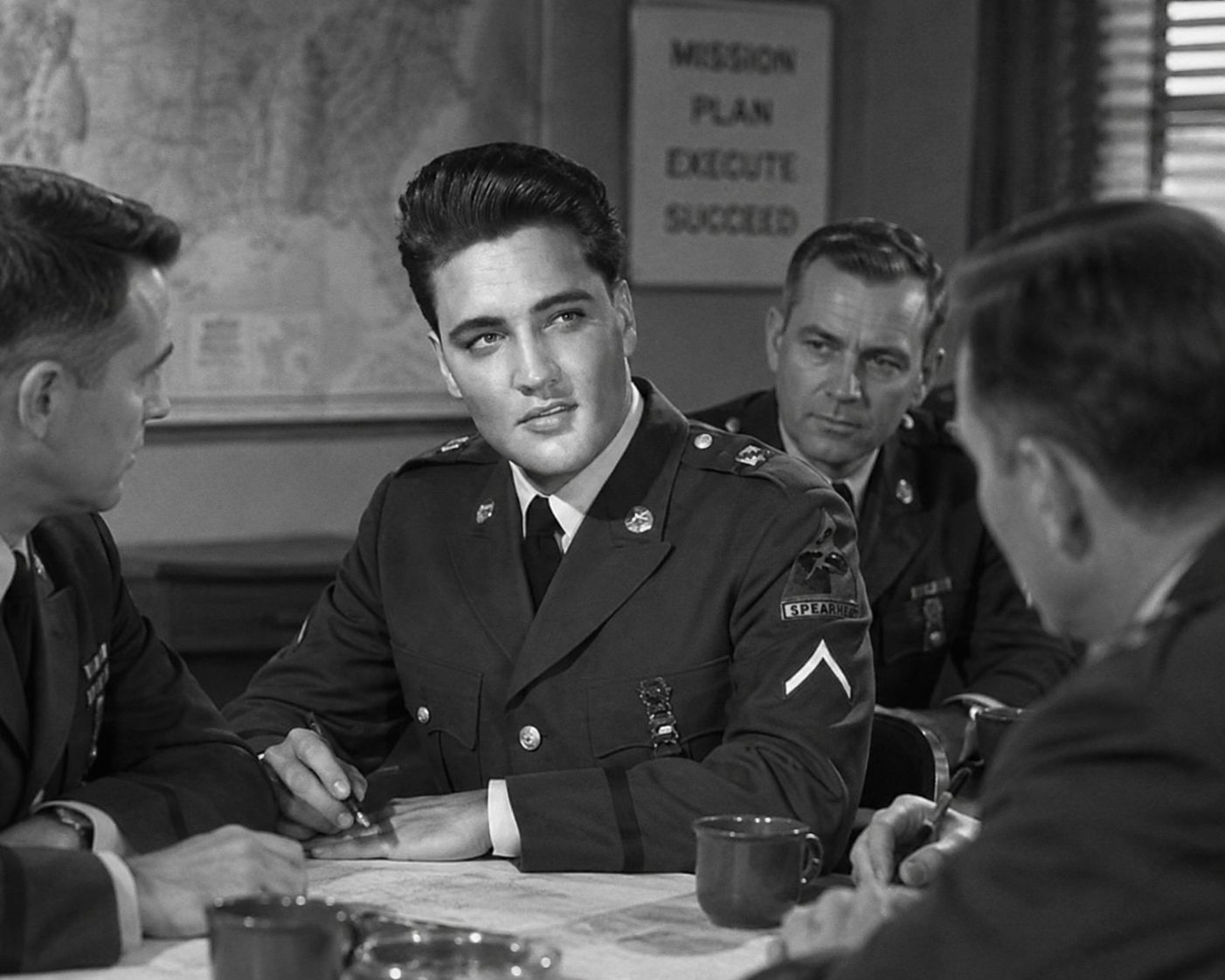
The Quiet Crucible: Did the U.S. Army Actually Save or Change Elvis Presley’s Career?
For those of us who have followed the ebb and flow of twentieth-century popular culture, the trajectory of Elvis Presley’s career remains one of the most fascinating studies in artistic evolution. While he had already secured his crown as the undisputed King of Rock ‘n’ Roll by the late 1950s, a pivotal chapter in his life occurred away from the dazzling stage lights and screaming crowds. When Elvis stepped into the uniform of the United States Army in March 1958, many critics predicted a permanent eclipse of his meteoric rise. Instead, his time in the military became a profound crucible that deepened his character, matured his artistry, and ultimately secured his enduring legacy.
Stepping Away from the Spotlight
At the absolute zenith of his early fame, facing relentless public adoration and the intense pressures of a changing cultural landscape, Elvis made a decision that shocked the entertainment world. Rather than seeking deferments, he chose to serve his country as a regular soldier. Stationed in Friedberg, Germany, he experienced a structured, disciplined environment far removed from the hyper-isolated bubble of celebrity. For mature observers and music connoisseurs, this two-year hiatus served as a vital grounding mechanism. It stripped away the superficial noise of overnight stardom and allowed a young man from Mississippi to connect with the quiet realities of everyday life.
A Deeper Well of Expression
The impact of this disciplined chapter resonated deeply within his subsequent musical output. When Elvis returned to civilian life and recording studios in 1960, listeners immediately noticed a subtle yet profound shift in his vocal delivery. His voice had acquired a richer, more contemplative warmth. The brash, rebellious urgency of his earliest hits evolved into a mature, sophisticated resonance. Songs recorded in the post-military era—such as tender ballads and emotionally resonant spirituals—reflected a man who had looked inward, refined his perspective, and developed a deeper emotional sincerity.
A Defining Legacy of Resilience
Looking back, his military service was far more than a brief interruption in a busy career schedule; it was a testament to his personal character and artistic integrity. By weathering the transition from global icon to ordinary soldier and back again with grace, Elvis proved that his art was rooted in genuine human experience rather than manufactured hype. His journey through the ranks reminded us that true musical greatness is forged not just in the spotlight, but in the quiet, formative moments of discipline and reflection.
How do you believe taking a step back from intense pressure can ultimately enrich an artist’s creative expression and lifelong legacy?