Introduction
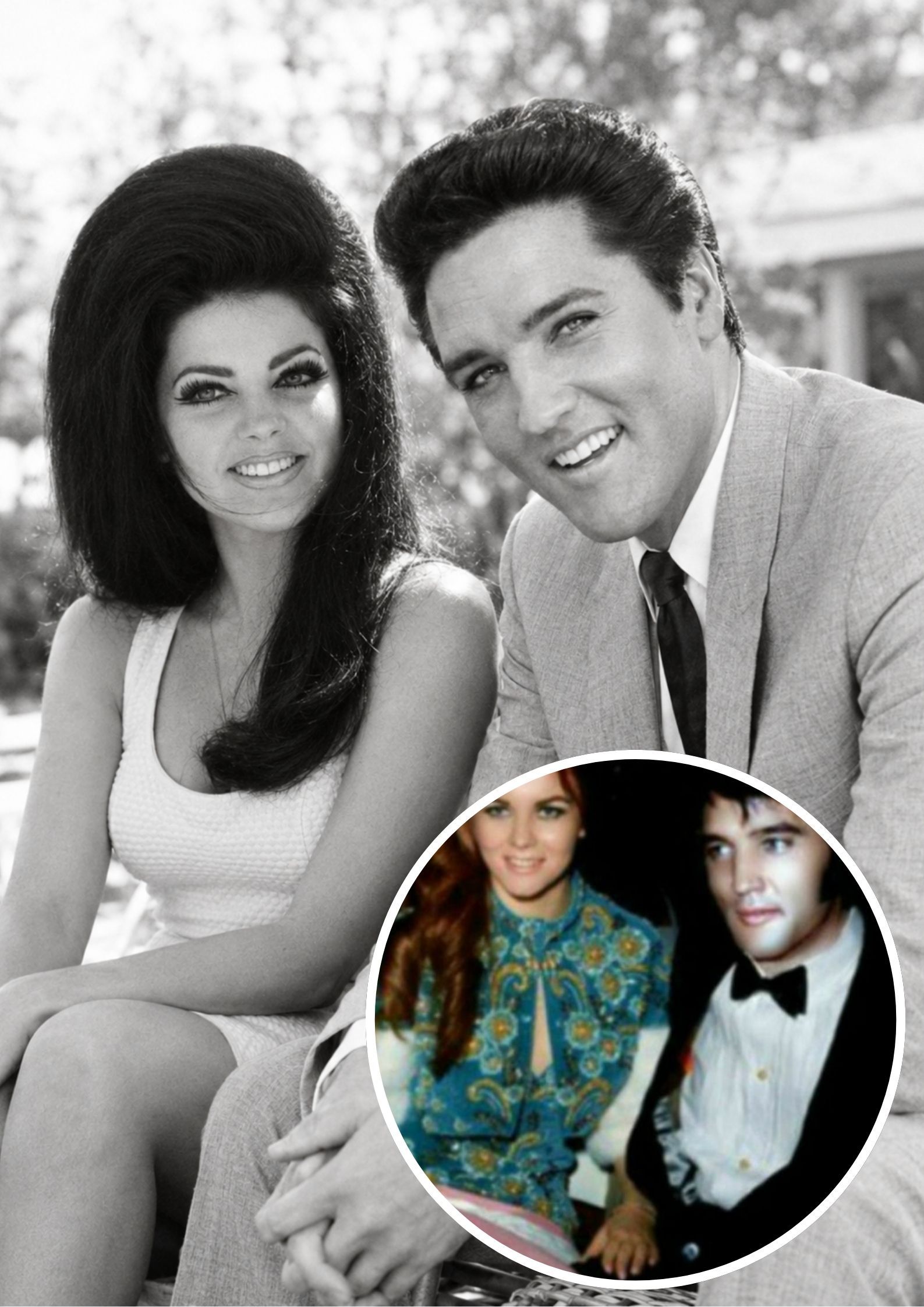
The Ghost Wife of Graceland: Why Elvis Kept Priscilla a Secret While the World Cheated With Ann-Margret
For those of us who have lived through the eras that shaped modern popular culture, the romance between Elvis Presley and Priscilla Beaulieu has often been viewed through a nostalgic, rose-tinted lens. Yet, beneath the glittering surface of cinematic triumphs and global adoration lies a far more complex human narrative—one defined by the quiet agony of standing in the shadows while the world cheered for someone else.
In the summer of 1963, as Elvis stepped onto the soundstages to film Viva Las Vegas alongside the radiant, Swedish-born star Ann-Margret, a profound test of endurance began for the young woman waiting back in Memphis. Ann-Margret matched the King of Rock and Roll stride for stride, energy for energy, and screen presence for screen presence. Their undeniable on-screen chemistry quickly spilled over into the public consciousness, fueled relentlessly by a press corps eager to feed the tabloid machinery.
For the public, it was standard Hollywood promotion—a sparkling romance orchestrated to sell theater tickets. But for eighteen-year-old Priscilla, sitting quietly in a Tennessee home that was not her own, the experience was profoundly isolating. At that precise moment in time, she occupied a uniquely vulnerable position: there was no marriage certificate, no public engagement announcement, and no official status to anchor her place in his world. If the headlines declared a new leading lady had captured the icon’s heart, Priscilla had no public platform to dispute them, no independent career to distract her, and no voice in the newspapers to claim her reality.
This structural asymmetry exposed the heavy toll of living adjacent to monumental fame. While Elvis occupied the blinding lights of California film sets and Las Vegas stages, Priscilla’s daily existence was dictated by absence and anticipation. She was asked to absorb the relentless wave of public speculation while remaining entirely invisible in the official narrative. To stay meant swallowing personal heartbreak and enduring the quiet humiliation of reading about her partner’s life in magazines alongside strangers.
Ultimately, the chapter involving Ann-Margret and the Hollywood machinery serves as more than a footnote in music history; it highlights the emotional price paid by those who love icons from the inside. It reveals a poignant truth about the architecture of fame: while the world applauded the star shining brightly on stage, the person waiting in the quiet room bore the heaviest shadow of all.