Introduction
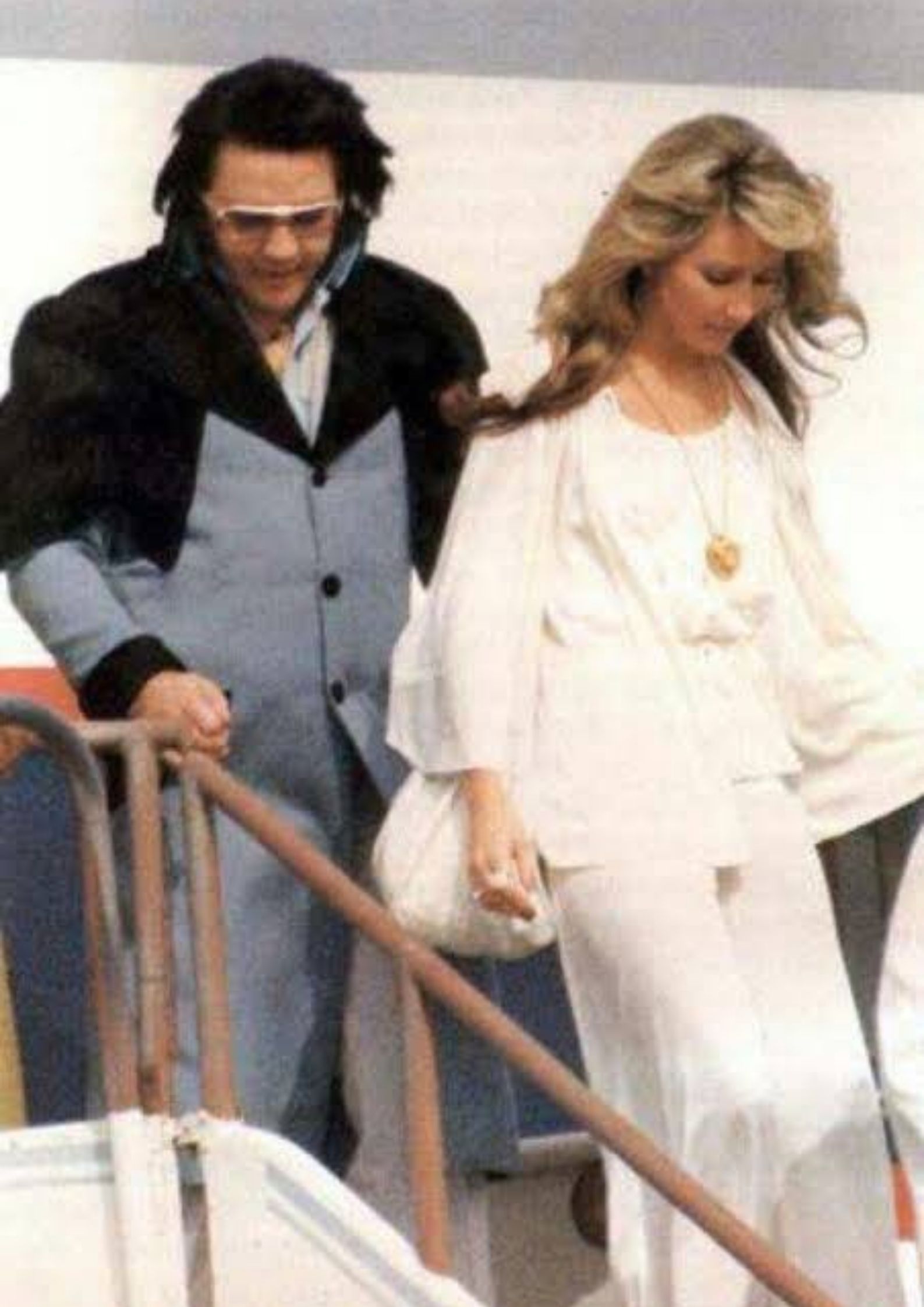
The Forty-Year Silence: The Terrifying Secret Linda Thompson Carried Out of Graceland’s Nocturnal Prison
To the millions who screamed his name in blinding arena lights, Elvis Presley was an immortal force of nature, wrapped in rhinestones and effortless swagger. But behind the iron gates of Graceland, a twenty-two-year-old former Miss Tennessee entered a gilded nocturnal nightmare that no fan was ever meant to witness. From 1972 to late 1976, Linda Thompson did not merely share a bed with the King of Rock and Roll—she became the terrified guardian of his darkest, most closely guarded descent. For four decades, she held her silence while the world debated the sudden collapse of an icon. When the reality of those four and a half years finally surfaced, it laid bare a haunting truth: loving Elvis had turned into a desperate, daily fight to keep a dying legend breathing.
The private world Thompson inhabited was upside-down and suffocating. Behind blackout curtains that permanently barred the sun, day became night and night stretched into a haze of exhaustion and escalating prescription regimens. In private corridors far removed from the public adulation, the man who could command tens of thousands with the flick of a wrist was completely unraveling. Thompson found herself sitting through endless, terrifying vigils—monitoring his shallow breathing, checking his pulse in the quiet dark, and waking up every morning forced to pretend to the outside world that everything was fine. She was neither a doctor nor a manager, yet the crushing psychological weight of keeping an American idol alive fell square on the shoulders of a woman barely in her twenties.
By 1976, love had crossed the border into an inescapable prison. Thompson realized with agonizing clarity that devotion could not compete with systemic addiction and the insulated machine that enabled it. In a decision that haunted her for the rest of her life, she packed her bags and walked away—not because her feelings had faded, but because staying meant drowning alongside him. Less than a year later, on August 16, 1977, the tragic phone call arrived: forty-two-year-old Elvis was dead on the bathroom floor of the mansion she had fled.
The most shocking dimension of Thompson’s account was what came next: absolute, dignified silence. While tell-all paperbacks flooded newsstands and associates rushed to cash in on the King’s untimely grave, Thompson refused six-figure book offers and sensational television interviews. Her forty-year restraint was not an attempt to sanitize history, but a sorrowful shield to protect the dignity of the man she had loved. Decades later, her testimony stands as the ultimate indictment of fame’s cruelest illusion—revealing that beneath the crown, the King was a prisoner of his own myth, and the woman who loved him most had to save her own life by letting him go.