Introduction
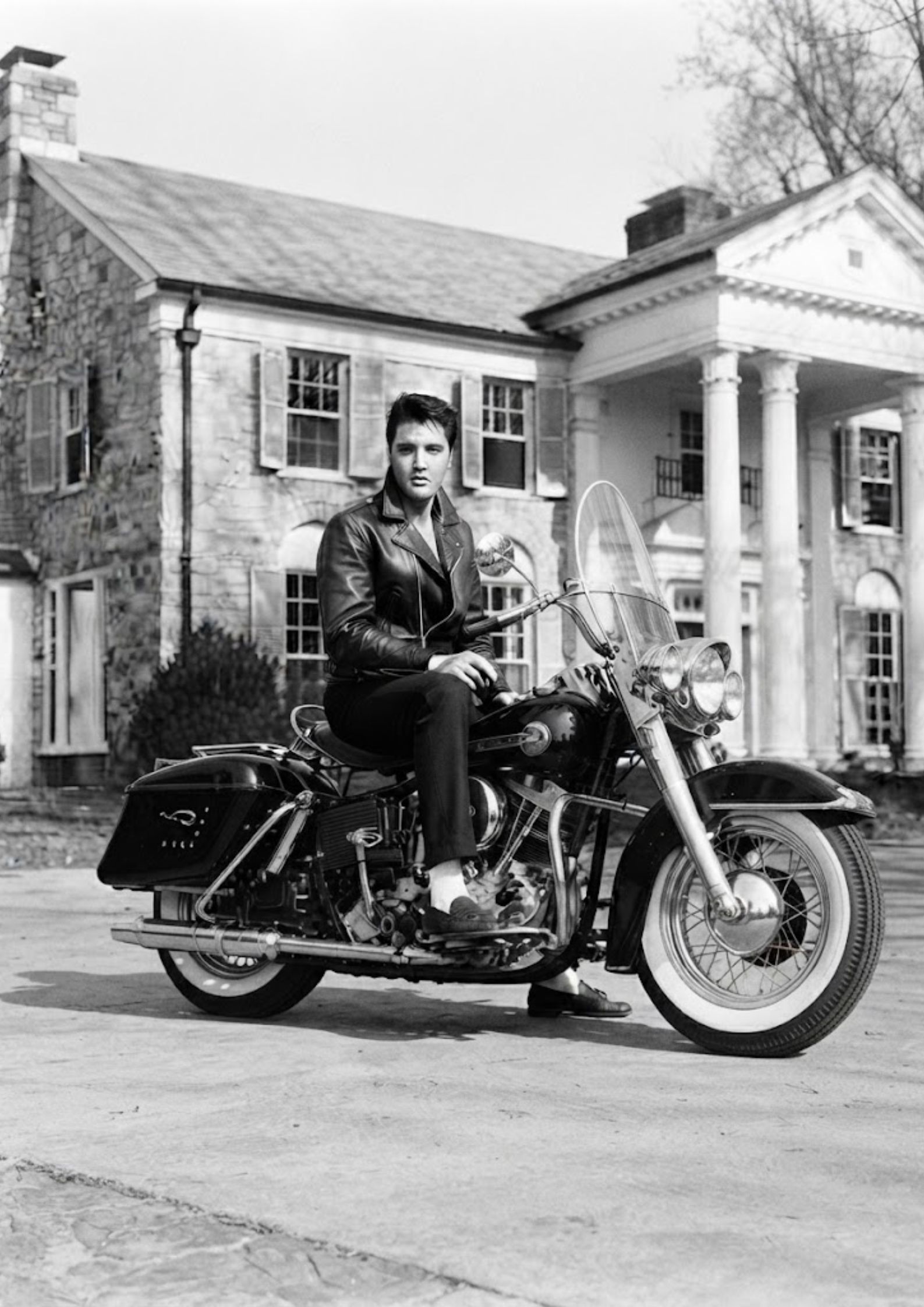
Saving the King’s Kingdom: How a Bold Gamble Kept Graceland Alive
For those of us who have walked alongside the golden decades of modern popular culture, the name Elvis Presley evokes an era of unmatched musical brilliance. We remember the soaring voice, the mesmerizing rhythms, and the profound cultural shift he brought to the world. Yet, the story of an icon does not end with their final performance; often, the true test of endurance unfolds behind closed doors long after the stage lights have dimmed. For the historic Graceland estate, the early 1980s marked a perilous crossroad—one that required extraordinary courage, foresight, and an unprecedented decision to save a crumbling empire from fading into memory.
The Looming Crisis Behind the Golden Gates
Following the tragic passing of Elvis Presley in August 1977, the heavy mantle of stewardship fell upon his estate. To the millions of mourning fans gathered outside the gates, Graceland stood as an eternal shrine. However, behind those iconic walls, a silent financial crisis was unfolding. Years of heavy management fees, complex financial obligations, and astronomical maintenance costs—running upwards of half a million dollars annually just to upkeep the mansion—meant the estate was rapidly depleting its resources.
By the early 1980s, following the passing of other family trustees, the responsibility of safeguarding young Lisa Marie Presley’s inheritance fell squarely upon Priscilla Presley. Facing a rapidly shrinking inheritance and mounting debts that threatened to force the sale or demolition of the property, Priscilla confronted an agonizing dilemma. The private sanctuary where Elvis found peace was on the brink of financial collapse.
A Bold Gamble That Saved an American Institution
In 1981, Priscilla made a choice that stunned traditionalists and drew skepticism from critics who viewed the move as radical or unconventional. Partnering with business experts like Jack Soden, she made the daring decision to open Elvis’s intensely private sanctuary to the general public. Never before had a major American cultural home of this magnitude been transformed into a public attraction in such a manner.
On June 7, 1982, the gates of Graceland officially welcomed ordinary fans for the very first time. What was initially designed as a desperate measure to stabilize the family’s finances proved to be a masterstroke of cultural preservation. Within a single month, the estate covered its operational costs and turned a profit. This courageous leap of faith birthed Elvis Presley Enterprises, transforming a private home into a thriving global institution.
A Legacy Preserved for Generations
Looking back, Priscilla Presley’s pivotal decision did far more than rescue an estate from bankruptcy; it secured a permanent place in history for the King of Rock ‘n’ Roll. Today, Graceland stands proudly as a National Historic Landmark, welcoming hundreds of thousands of visitors each year as the second most visited home in the United States. Through a moment of profound courage, a family home was preserved as an immortal kingdom, ensuring that future generations will forever understand the true magnitude of Elvis Presley’s artistic legacy.
When facing insurmountable challenges to protect a cherished heritage, how do you believe visionary leadership can reshape the course of history?