Introduction
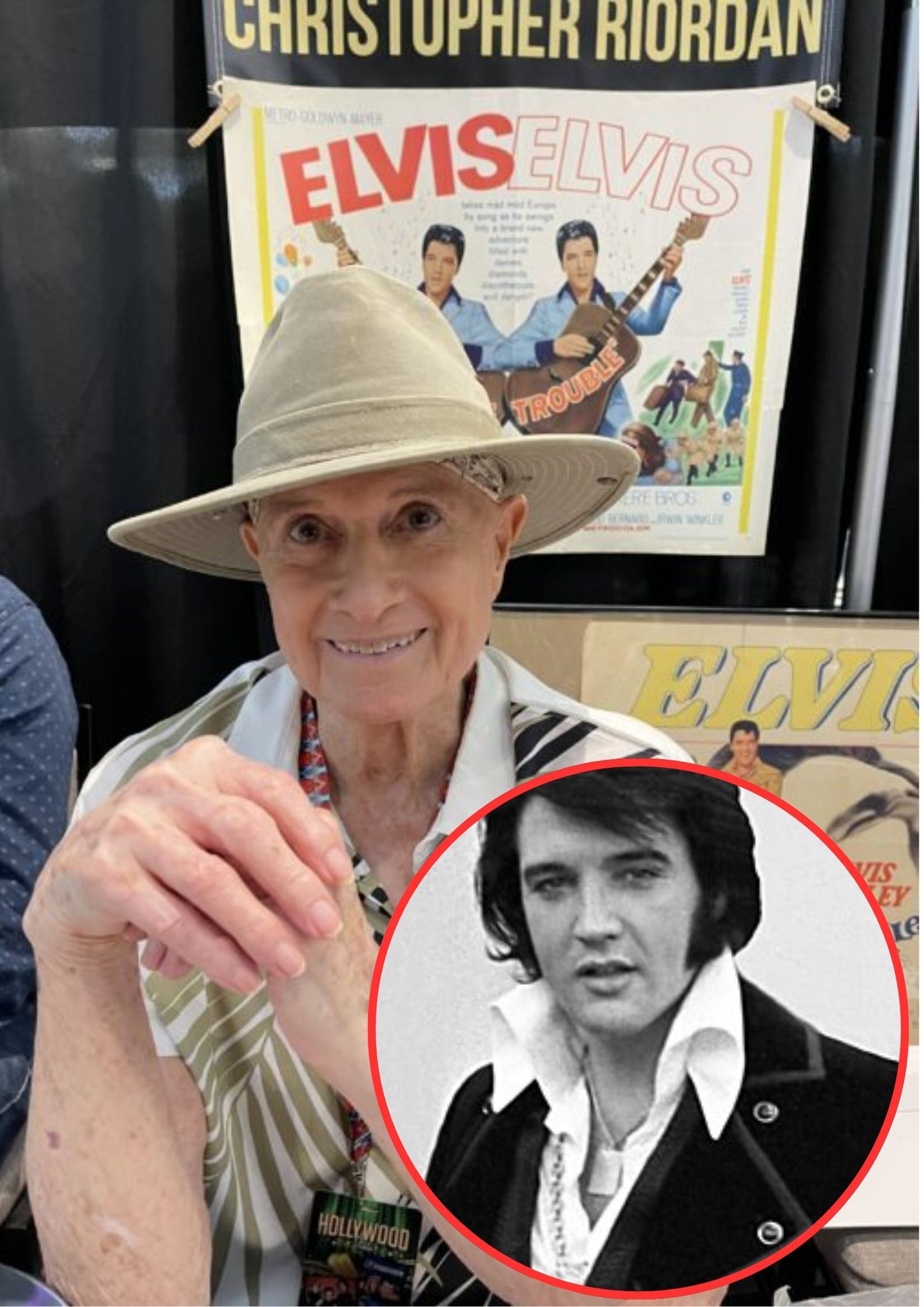
The Reluctant Snob Who Became Elvis’s Most Trusted Confidant
For generations of music and film enthusiasts, the cinematic legacy of Elvis Presley has been viewed through a distinct, polished lens. As the undisputed King of Rock and Roll transitioned from stadium stages to Hollywood soundstages in the 1960s, his films became cultural touchstones. Yet, the true magic of those productions often lay far away from the glaring lights and marquee headlines, resting instead in the quiet, unscripted human connections forged behind the scenes. For mature readers and lifelong admirers who appreciate the nuanced history of classic entertainment, recent reflections from those who walked alongside the icon offer a profoundly touching perspective.
A Reluctant Beginning on the Set of Viva Las Vegas
When professional dancer Christopher Riordan first received a call from Metro-Goldwyn-Mayer in 1964, his initial reaction was far from enthusiastic. Having recently worked alongside theatrical royalty such as Audrey Hepburn and Rex Harrison, Riordan privately considered an assignment in an Elvis Presley motion picture to be a professional step down. Desiring nothing more than an anonymous paycheck to support his young family, he accepted the role with the hope that he would be tucked quietly into the back row, completely unseen by the audience.
Yet, true talent and genuine character have a way of defying expectations. Within just a few days of filming Viva Las Vegas, Elvis noticed the young dancer standing in the background and quietly asked the crew about his background. What began as a routine casting choice soon blossomed into a professional relationship spanning six feature films and the iconic 1968 television special.
The Foundation of Trust and Shared Humanity
What made Elvis continually request Riordan’s presence across numerous projects was not merely his precise choreography, but a deeper, unspoken mutual respect. Unlike many who surrounded the megastar with overwhelming adulation, Riordan treated Elvis with refreshing normalcy, often engaging in lighthearted banter and playful teasing.
Crucially, a powerful personal bridge formed between the two men. In an era when single parenthood was exceptionally rare—particularly for fathers raising infants—Elvis learned that Riordan was courageously raising his newborn son alone. This shared value of devotion deeply resonated with the singer, whose own life had been profoundly shaped by deep familial bonds. Beyond the cameras, Elvis consistently checked in on his coworker, inquired about his child, and ensured a welcoming environment that contrasted sharply with the isolating pressures of global fame.
Preserving the True Spirit of an Icon
For seasoned followers of music and cinema, looking past the Hollywood myths to examine these interpersonal dynamics reveals a more compassionate, grounded side of Elvis Presley. He was a professional who knew his lines, respected every member of the backstage crew by name, and cherished genuine companionship above all else.
The journey from a reluctant newcomer hiding in the back rows to a trusted confidant stands as a testament to the enduring humanity of the King of Rock and Roll. It reminds us that beneath the timeless records and legendary performances was a man who valued loyalty, shared laughter, and authentic human connection.