Introduction
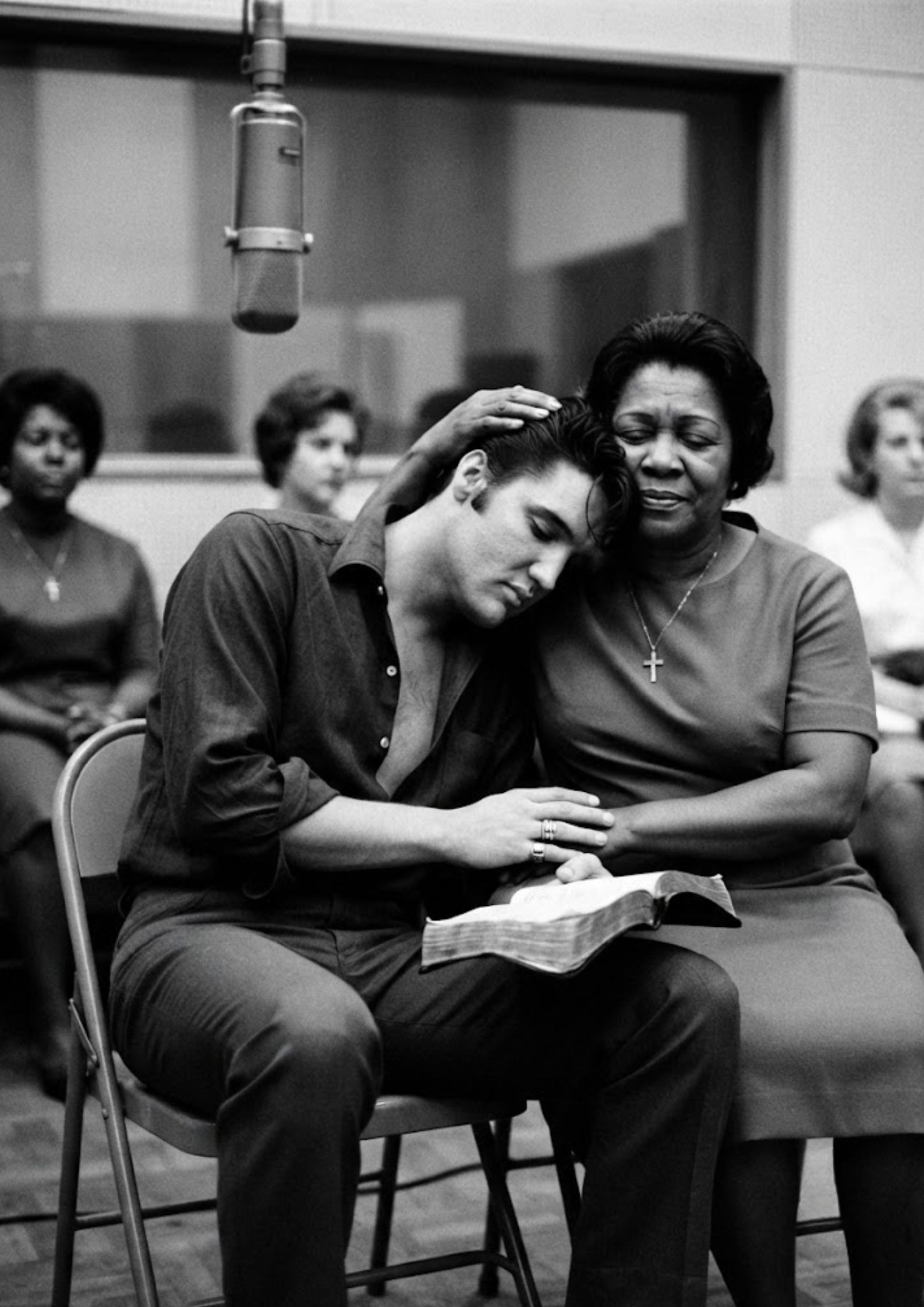
The Midnight Escape That Saved the King: When Elvis Chose Soul Over Stardom
For those of us who have walked alongside the soundtrack of the twentieth century, Elvis Presley was more than just a name on a marquee; he was the heartbeat of an era. Yet, beneath the glittering sequined suits, the flashing cameras, and the relentless machinery of Hollywood blockbusters, the man from Memphis was quietly starving. Trapped in a world of superficial soundtracks and corporate scheduling dictated by Colonel Tom Parker, Elvis felt like a spectator in his own life. But on a quiet May night in Nashville, the King did something extraordinary: he slipped away in the shadows of midnight to reclaim his soul.
As the clock struck half past midnight on May 25, 1966, RCA Studio B became a sanctuary far removed from the glaring lights of fame. There were no billboard deadlines, no press agents, and no script pages to memorize. Elvis arrived with a worn Bible and a deep, aching need to honor the sacred hymns of his childhood—the very songs his late mother, Gladys, had sung off-key and unashamed in a little wooden church in Tupelo, Mississippi. Having lost her during his army service in Germany, he carried her memory like a quiet grief that standard commercial hits could never heal.
Surrounded by trusted backing vocalists like the Imperials and Jake Hess, Elvis stepped up to the microphone not as a pop commodity, but as a grieving son paying a lifelong debt to his faith and his mother. When telephone calls from Parker’s management tried to pull him back into the scheduling machine for upcoming cinematic fluff, Elvis calmly instructed his team that he was entirely unreachable until sunrise. It was a peaceful rebellion born not of arrogance, but of artistic survival.
For mature readers who appreciate the deeper truths behind legendary legacies, this midnight session gave birth to timeless recordings like How Great Thou Art, proving that true greatness cannot be bought, packaged, or managed. Elvis walked out of that studio into the soft gray Nashville dawn knowing that while the world could keep its posters and box-office titles, there was a sacred room inside his heart that no manager could ever lock away.