Introduction
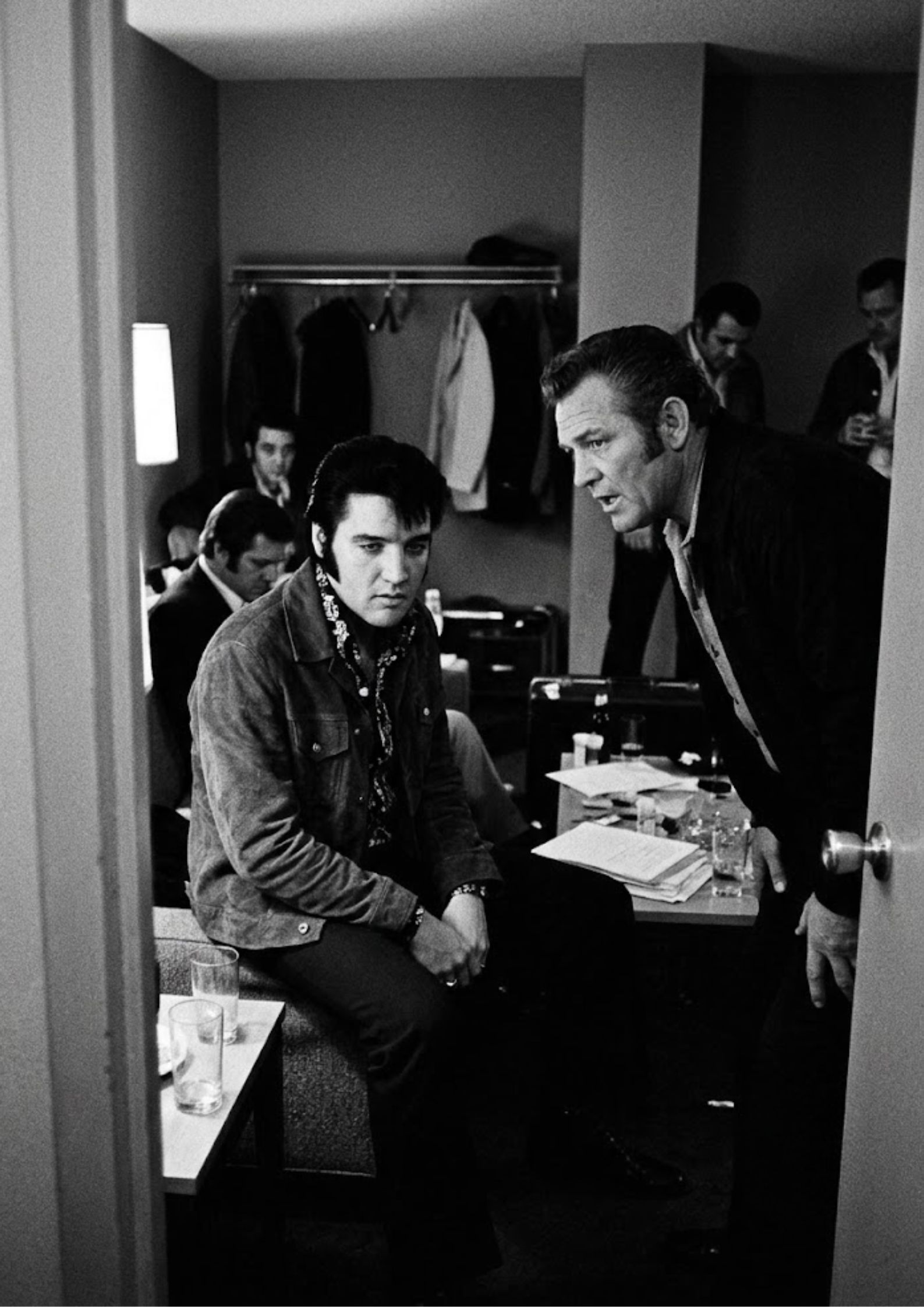
The Final Betrayal: Inside the Tell-All Memoir That Shattered Elvis Presley’s Inner Circle Just Weeks Before His Death
In July 1977, an explosive mass-market paperback titled Elvis: What Happened? detonated across newsstands, permanently fracturing the mythic façade surrounding the King of Rock and Roll. Penned by tabloid journalist Steve Dunleavy, the volume drew its accounts directly from three men who had anchored Elvis Presley’s protective phalanx for years: Red West, Sonny West, and Dave Hebler. Appearing barely two weeks before Elvis collapsed inside Graceland on August 16, the book presented the world with an unforgiving inventory of prescription dependence, volatile backstage temperaments, and unvarnished vulnerability. Decades later, the text remains one of modern music’s most fiercely debated cultural artifacts—a disputed crossroad between a desperate intervention and an unforgivable breach of fraternal trust.
To evaluate the impact of the memoir, one must look past its sensational packaging to the intimate architecture of the Memphis Mafia. Red West was never an interchangeable employee; he was a companion whose ties predated global stardom, tracing back to the halls of Humes High School where he had stepped in to shield an introverted teenage Elvis from local bullies. Yet, the lifelong loyalty that had withstood years of touring, erratic schedules, and insular isolation deteriorated rapidly in 1976 when Vernon Presley, citing cost-cutting and liability concerns, abruptly terminated the trio. The dismissal stripped the bodyguards of their status, their livelihood, and their direct access to the man they had spent decades guarding.
The grievances that followed culminated in explosive accusations that went far beyond everyday tour antics. Most scandalous was the allegation that a grief-stricken, furious Elvis had entertained violent, retaliatory discussions concerning Mike Stone, the karate champion who entered Priscilla Presley’s life amid the unraveling of their marriage. While the text framed this anecdote as proof of a superstar spiraling beyond rational boundaries, music historians emphasize that private ventings of profound heartbreak do not equate to a verified criminal conspiracy. The line separating an artist’s isolated despair from sensationalized tabloid fodder was aggressively blurred for commercial consumption.
In defending their participation, the authors later insisted that the publication was intended as a shock tactic—a harsh public mirror designed to shatter Elvis’s insular bubble and compel him to confront his failing physical health. Conversely, critics and devastated admirers viewed the paperback as a mercenary exercise fueled by bitter rejection, capitalizing on personal tragedy before the public had any idea how few days the King actually had left.
When Presley passed away at age 42, Elvis: What Happened? instantly shifted from a contested expose to a haunting postscript. The tragedy of the manuscript lies not merely in its uncomfortable disclosures, but in the tragic fracture of brotherhood it formalized. Behind the gold records, velvet draperies, and arena roar, the tragedy reveals the profound isolation of iconic stature—where even a bond forged in childhood could buckle under the crushing weight of fame, silence, and mutual grievance.