Introduction
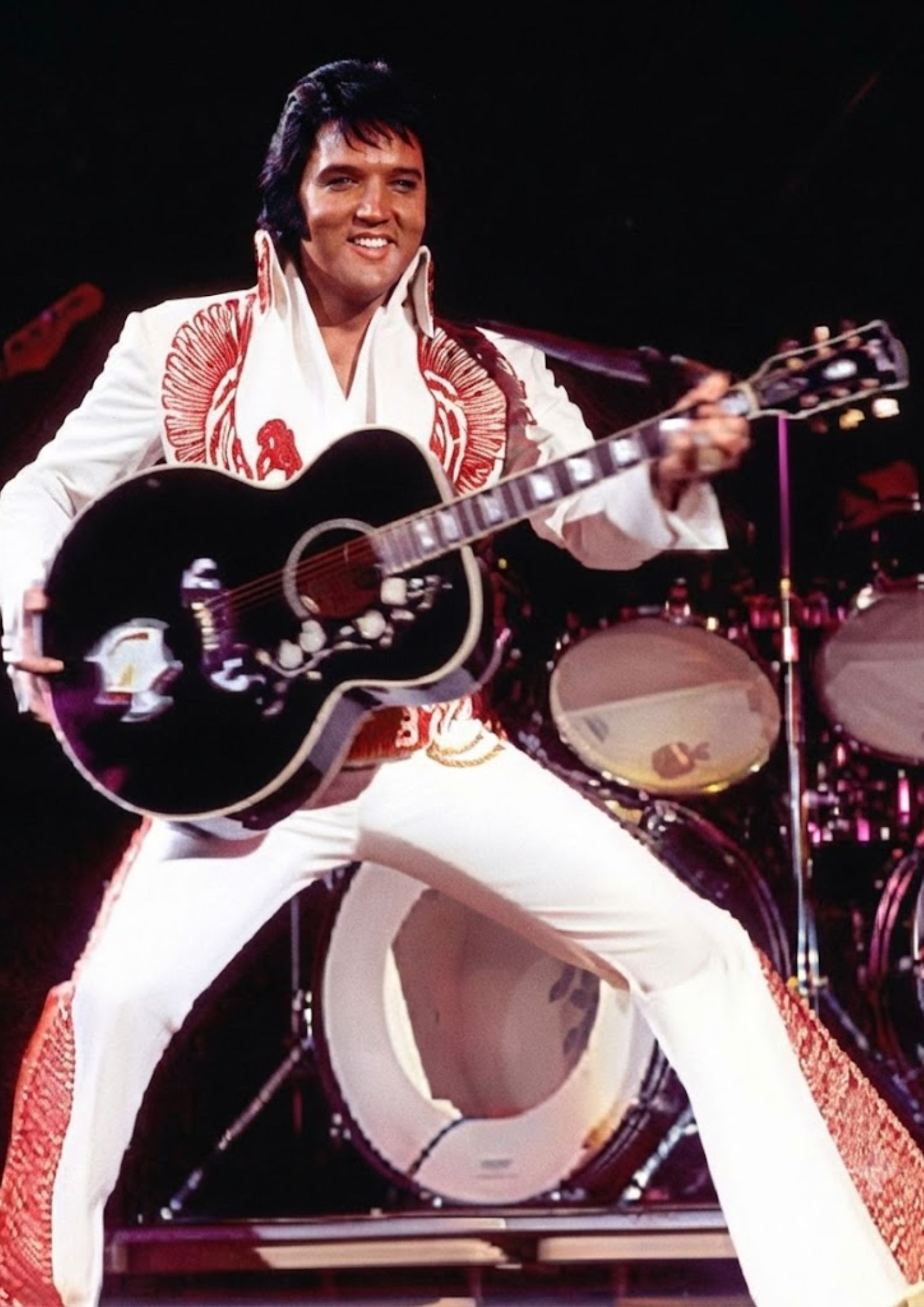
Johnny Cash’s Shocking Deathbed Confession: The Chilling Secret About Elvis Presley Kept Hidden Until the End!
On September 12, 2003, Johnny Cash knew his time on earth was running short. Just months after losing his beloved wife, June Carter Cash, the legendary “Man in Black” sat quietly in his Hendersonville home. His body was failing, and his voice was reduced to a fragile echo of the instrument that once shook audiences worldwide. Yet, his mind remained sharp—and heavily burdened by a secret he had guarded for over two decades.
It was a secret concerning Elvis Presley—a truth so unsettling that Cash had kept it tightly locked away through countless interviews, documentaries, and public appearances. Now, with time rapidly slipping away, he felt an urgent need to finally speak.
According to Rick Rubin, who worked closely with Cash during his final recording sessions, what unfolded that day was unforgettable. Cash requested absolute privacy—no cameras, no recordings. What he was about to share wasn’t meant for sensational headlines or fame, but carried a much heavier weight.
The story traced back to the early days at Sun Records in Memphis, where two young musicians, Cash and Elvis, first crossed paths. While the public only saw their surface-level friendship, Cash hinted that their most profound moments happened far away from the lens of a camera. In private conversations, he witnessed a completely different side of Elvis: not the confident icon, but a young man desperately grappling with pressures few could ever comprehend.
Cash described Elvis as someone who quickly realized that massive success came with hidden strings attached. Fortune, fame, and influence were never entirely his to control:
-
Behind the scenes, powerful decisions were being made that shaped Elvis’s life in ways he could not easily escape.
-
As time went on, those pressures only intensified. By the late 1960s—during what the public celebrated as a triumphant comeback—Cash witnessed firsthand just how exhausted and psychologically overwhelmed Elvis had become.
-
What haunted Cash most wasn’t just what he saw, but the intimate fears Elvis confided in him, knowing full well where his unsustainable lifestyle and circumstances were leading him.
In his final days, Cash made it clear that this was never about digging up cheap scandals or tearing down a legend. Instead, it was about restoring a human perspective. He wanted the world to understand that Elvis wasn’t merely a symbol of excess or fame gone wrong, but a human being trapped inside an overwhelming industry machine that demanded constant output and left zero room for rest.
The truth is not always loud or explosive; sometimes it remains quiet, heavy, and carried silently for a lifetime.