Introduction
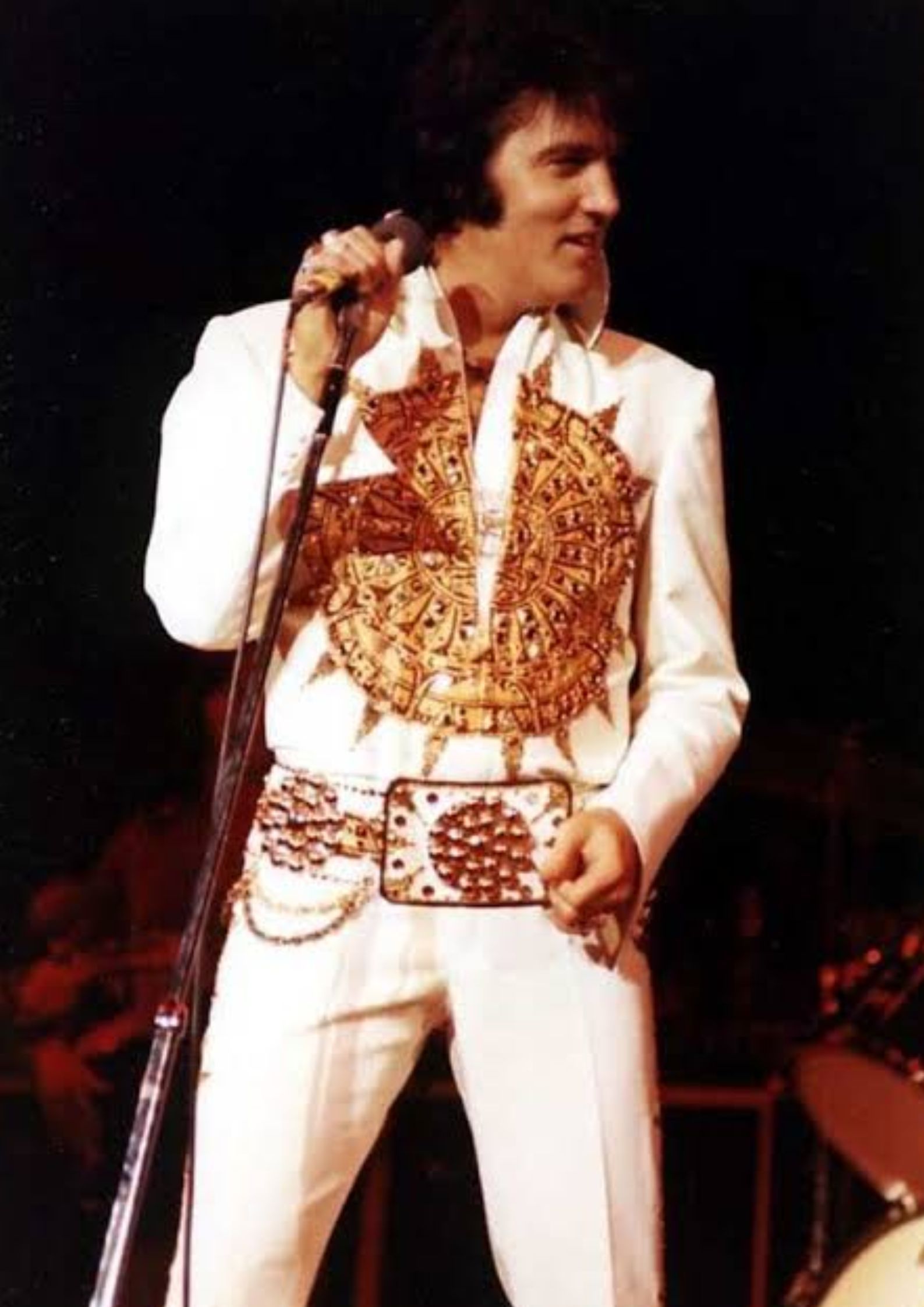
Final Footsteps in Toledo: Inside Elvis Presley’s Forgotten 1977 Concert and the Silent Clues Hidden Inside Centennial Hall
TOLEDO, OH — In April 1977, just four months before his sudden death at Graceland, Elvis Presley arrived in Toledo, Ohio, as part of his spring concert tour. The venue that hosted him that night—Centennial Hall at the University of Toledo, now known as Savage Arena—looks vastly different today.
Yet behind its modernized concourses and renovated seating lies an overlooked piece of rock-and-roll history: the quiet physical clues of a legendary performer navigating one of the final, most grueling chapters of his life on the road.
A Michigan Base Camp and the Toll of Midnight Flights
The Toledo appearance was only the third stop on an approximately 13-day spring tour that had kicked off in Greensboro, North Carolina. On paper, it appeared to be just another routine run of sold-out arenas. However, listening closely to live recordings from April 1977 reveals a striking, emotional duality.
Listeners can still hear flashes of the soaring vocal power and effortless stage charisma that had mesmerized audiences for over two decades. Yet woven through those performances are unmistakable signs of exhaustion—a heavier cadence, fluctuating stamina, and the visible physical strain of a man carrying the relentless weight of constant touring.
A revealing logistical detail underscores the pace of that run: rather than checking in and out of hotels in every tour city, Elvis established a central base of operations in Troy, Michigan. Aboard his custom private jet, the Lisa Marie, he would fly into a concert city, deliver his performance before thousands of roaring fans, and fly straight back to Michigan the same night. While his celebrity afforded him extraordinary convenience, the jet-setting routine could not shield him from the physical toll of performing night after night.
Forensic Clues Hidden in Vintage Photographs
Nearly fifty years later, extensive renovations have transformed Centennial Hall. The original wooden bleachers have been dismantled, new walls and seating sections have been built, and structural layouts have been reconfigured—making the arena almost unrecognizable at first glance.
Yet by cross-referencing archival photographs from the April 1977 stop with the building’s current architecture, researchers uncovered remarkable links to that night.
Studying a well-known backstage photograph showing Elvis preparing to take the stage, investigators traced subtle architectural markers—including the exact placement of the double doors behind him and a mounted emergency exit sign. The footprint of the former garage doors, the open concourse spaces behind the old bleachers, and several original structural beams remain intact, pinpointing the precise spot where the King stood nearly half a century ago.
A Legacy Beyond the Gates of Graceland
Graceland tells the story of where Elvis Presley lived. His studio masters preserve what he created. Yet venues like Toledo’s Centennial Hall reveal where he actually worked—the arenas, backstage corridors, and thousands of miles traveled to bring his music directly to live audiences.
His April 1977 concert in Toledo may not rank among the most famous shows of his career, but it stands as a poignant artifact of his final touring months. The wooden bleachers are gone and the crowds have long since dispersed, yet the photographs, recordings, and surviving steel beams remain—silent witnesses reminding us how close we can still stand to the footsteps of the King.
When you listen to recordings from Elvis Presley’s final tours in 1977, what stands out most to you: the sheer grit of a legendary entertainer giving everything he had left to his fans, or the heartbreaking signs of a man nearing the end of an extraordinary journey? Share your thoughts in the comments below!