Introduction
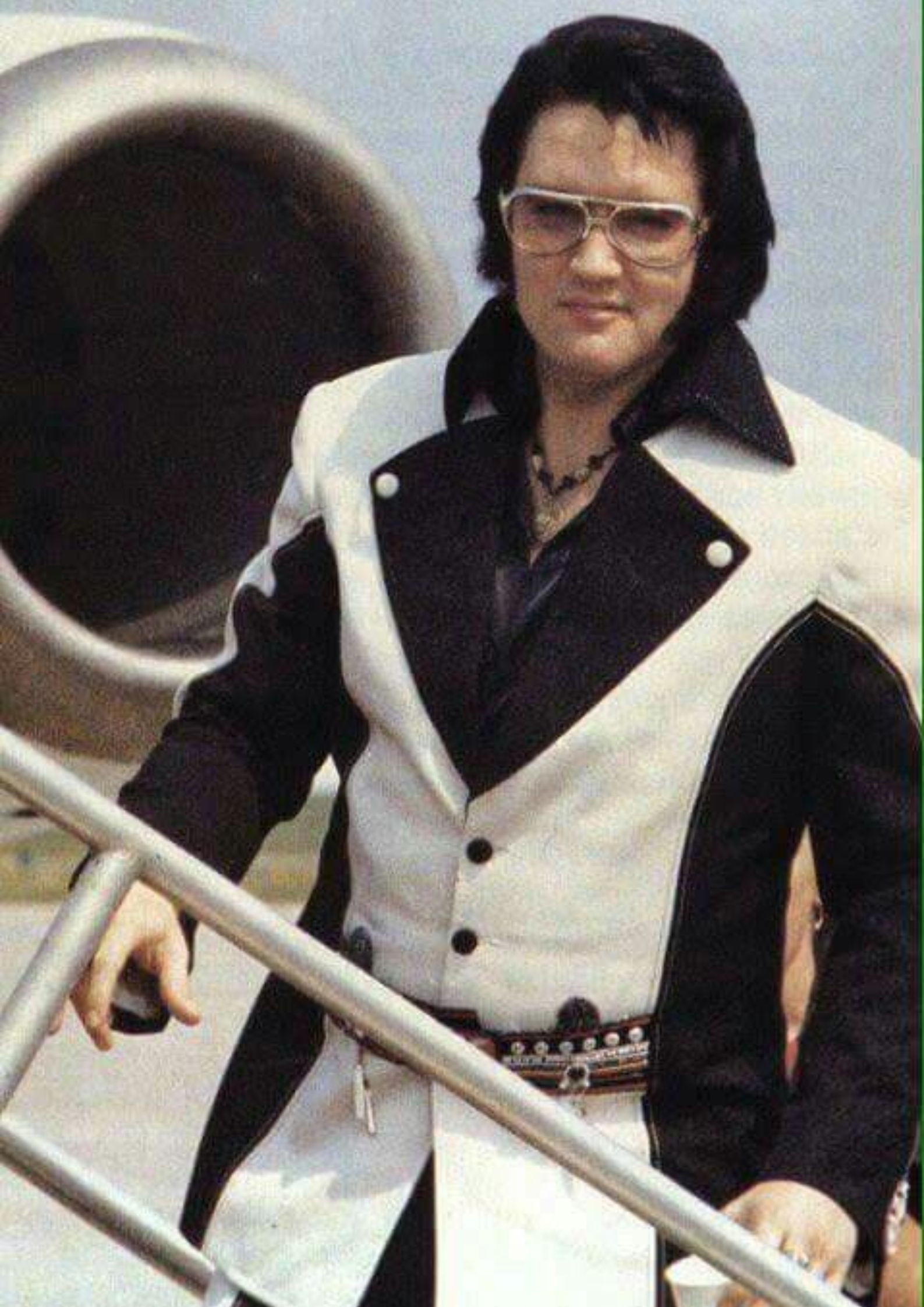
NASHVILLE, TN — In late January 1977, inside Nashville’s acclaimed Creative Workshop recording studio, the atmosphere was thick with quiet, restless anticipation. Elvis Presley’s elite session musicians were assembled, instruments tuned and ready. Chief engineer Brent Maher had calibrated the console, and veteran producer Felton Jarvis paced the floor, waiting for the King of Rock and Roll to walk through the door for a pivotal week-long recording session.
Yet as the clock crept past midnight, and eventually toward four and five in the morning, the studio door remained shut. Elvis Presley never appeared.
What began as an expensive, baffling disappearing act—one that left seasoned musicians exhausted and producers facing steep financial losses—ultimately sparked one of the most remarkable technical rescues in recording history: the painstaking reconstruction of incomplete home rehearsal tapes into the final single released during Elvis’s lifetime.
All-Night Vigils and a Detour to the Airport
The sessions at Creative Workshop had been scheduled to begin on January 20, 1977. Felton Jarvis had deliberately chosen the intimate Nashville facility, hoping its relaxed creative atmosphere would coax Elvis back into a commercial recording studio for the first time in years.
According to chief engineer Brent Maher, the routine quickly settled into an exhausting cycle. Each afternoon, the band arrived early, ran through soundchecks, and prepared for Elvis—well known for his nocturnal schedule—to arrive around six in the evening.
Night after night, Jarvis shuttled back and forth between Creative Workshop and Elvis’s downtown hotel. Each time he returned, he offered a fragile spark of optimism: “Elvis is right behind me.”
The musicians would immediately snap back to attention, checking levels and tightening strings. Yet hours ticked by with no sign of the star, stretching their vigils into the bleak hours before dawn.
The breaking point arrived on the final night. Jarvis hurried back into the control room, assuring the team that he had personally seen Elvis climb into his waiting car—he was only minutes away. Instead of turning toward Creative Workshop, however, Elvis’s driver headed straight for the airport. The King boarded his plane and flew back to Memphis.
The week-long session collapsed before a single note was committed to tape. Studio lockouts, union musician fees, travel, and hotel expenses had accumulated into a substantial financial loss, leaving everyone in the room stunned.
An Unanswered Mystery
Nearly five decades later, the exact reason behind Elvis’s sudden retreat from Nashville remains one of the enduring mysteries of his final year.
Speculation quickly swirled around his declining physical and emotional state in early 1977, alongside rumors of a tense personal disagreement with his girlfriend at the time, Ginger Alden. Yet Brent Maher later candidly admitted that he was never given an official explanation for the singer’s absence.
From a studio perspective, Maher suspected Elvis simply wasn’t in the mental space to confront the pressure of a formal recording environment. Throughout 1976, Presley had grown accustomed to recording inside Graceland’s famed “Jungle Room,” where a mobile studio truck allowed him to sing on his own schedule, surrounded by familiar walls and absolute privacy.
Rescuing “Way Down” From Scattered Tapes
Once the disappointed musicians packed up their gear and headed home, Felton Jarvis asked Brent Maher to return to Creative Workshop the following day. Jarvis arrived carrying boxes of raw rehearsal tapes recorded during the informal Jungle Room sessions at Graceland.
The tapes were fragmented and erratic—captures of Elvis singing half a verse, stopping abruptly to talk, and starting over again. Jarvis posed an almost impossible challenge to the young engineer: Could a cohesive, release-worthy vocal performance be salvaged from these scattered takes?
The primary candidate was a high-energy track titled “Way Down.”
Maher spent hours meticulously auditing every breath, phrasing, and inflection across multiple takes. Armed with a razor blade and splicing block, he manually cut and joined tiny strips of magnetic tape, stitching together Elvis’s strongest vocal lines into a single, seamless master vocal track. Once the vocal puzzle was solved, Jarvis brought the session musicians back into the studio to overdub fresh, driving instrumental backing around Elvis’s reconstructed voice—a painstaking process they repeated for a second track, “Pledging My Love.”
A Mixing Nightmare and a Final Legacy
The greatest hurdle, however, wasn’t assembling the vocal—it was isolating it. Because Elvis had sung in the same room as the live band at Graceland, loud drums and guitars had bled heavily into his vocal microphone. Every time Elvis paused between lines, the older, out-of-sync instruments surged through the track, clashing violently with the newly recorded Nashville band.
Maher was forced to ride the console fader manually, executing rapid, razor-sharp volume drops and tape edits between virtually every single lyric to suppress the background bleed. Having studied under legendary Elvis engineer Bill Porter, Maher felt immense pressure—and initially admitted to feeling embarrassed by the patchwork nature of the mix, fearing it fell short of the standards the King deserved.
Felton Jarvis, however, knew they had struck gold.
Released in June 1977, “Way Down” (backed with “Pledging My Love”) became the final single issued before Elvis Presley’s sudden death on August 16, 1977. Driven by a wave of global grief and admiration, the song surged to Number One in the United Kingdom and climbed the U.S. charts, standing as the final testament to his unmistakable voice.
The story of January 1977 reveals a poignant truth behind the mythology of music history. Great records are not always born in moments of effortless magic; sometimes, they are forged through frustration, razor-blade precision, and the quiet dedication of studio craftsmen who refused to let a legend’s final notes go unheard.
What do you think kept Elvis Presley from walking through the doors of Creative Workshop in January 1977—the overwhelming physical and emotional toll of his final year, or the quiet pressure of stepping back into a formal studio? Share your thoughts in the comments below!
Video: