Introduction
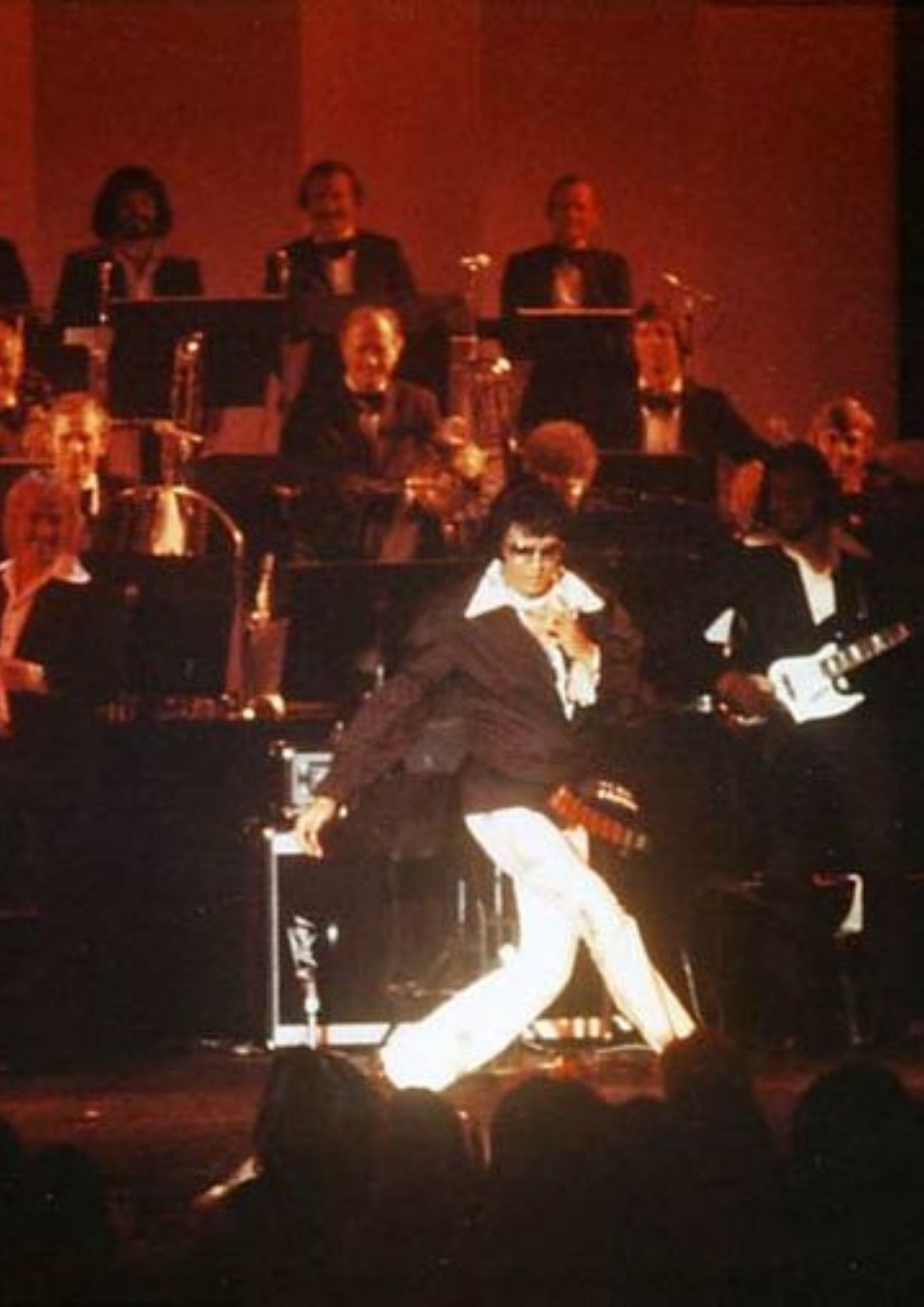
The Night a British Bassist Told Elvis Presley “No”: Inside the Backstage Offer That Shocked Tom Jones’s Band in 1974
LAS VEGAS, NV — For virtually any working musician in the 1970s, receiving a personal summons to Elvis Presley’s dressing room—followed by an invitation to join the King of Rock and Roll’s band—would have been the opportunity of a lifetime. Yet in 1974, when Elvis reportedly extended that exact offer to British bass player Alan Jones, the answer he received was one the King rarely ever heard: no.
Recorded in Jones’s firsthand recollections of his decades in the music industry, the story captures a remarkable backstage collision between two of the era’s towering vocal powerhouses—Elvis Presley and Welsh superstar Tom Jones—and a split-second decision driven by professional loyalty over rock-and-roll immortality.
An Unexpected Visitor on the Final Night
By 1974, Elvis Presley remained an unmatched live attraction, turning every appearance into a cultural event. Meanwhile, Tom Jones—a close friend and mutual admirer of Elvis—was commanding massive American audiences of his own. Alan Jones, who had joined Tom’s band a year earlier in 1973, was on stage for the closing night of a major U.S. tour when an extraordinary guest arrived in the house: Elvis himself.
According to Alan’s account, Elvis didn’t simply watch quietly from the shadows. Drawn into the electric atmosphere of the performance, the King became part of the night’s spectacle, even sharing the spotlight onstage with Tom Jones.
Yet the real surprise was waiting behind the curtain once the final applause faded.
The Dressing Room Proposition
Shortly after the show ended, Alan received an unexpected message: Elvis wanted to see him in his dressing room. Stepping into the private sanctum of the world’s most famous entertainer was surreal enough, but Elvis wasted little time on small talk. Impressed by the bassist’s playing that evening, the King made a direct proposition—asking Alan to leave his current gig and play bass in Elvis’s own band.
It was a career-altering crossroads. Saying yes meant stepping into the inner musical circle of a living legend, touring the globe in front of sold-out arenas, and etching his name directly into Elvis history.
Instead, Alan Jones turned the King down.
His refusal had nothing to do with ego or a lack of admiration for Elvis. As Alan later explained, he had recently signed a binding three-year contract with Tom Jones. Bound by a strict sense of integrity and personal loyalty to the artist who had brought him on board, Alan felt he simply could not walk away from his word—even for Elvis Presley.
The Enduring Power of Loyalty—and the King’s Reach
Alan Jones’s recollection also underscores the vast, transatlantic magnetism Elvis maintained throughout the 1970s. In the same video recounting his brush with the King, testimonies from Elvis’s British following highlight a UK fan club boasting more than 12,000 active members, alongside stories of devoted fans who crossed the ocean to attend nearly 30 Elvis concerts from 1972 onward.
Against that backdrop of global mania, Alan’s decision stands out as a rare human moment behind the music business’s glittering facade. While history is filled with stories of musicians desperate to enter Elvis’s orbit, Alan Jones walked out of that dressing room having chosen his existing commitment over one of the most coveted gigs in music.
Decades later, the moment lingers as one of rock’s most intriguing “what ifs”: had Alan Jones said yes in 1974, how might his life—and the sound behind the King’s late-career stage shows—have changed forever?
If you had been standing in Elvis Presley’s dressing room in 1974, would you have honored your three-year contract with Tom Jones—or is turning down the King of Rock and Roll an offer nobody should ever refuse? Share your thoughts in the comments below!
Video:
https://youtu.be/Y83s2rGGeAA?si=h1grF2F9Q8YYmkdV