Introduction
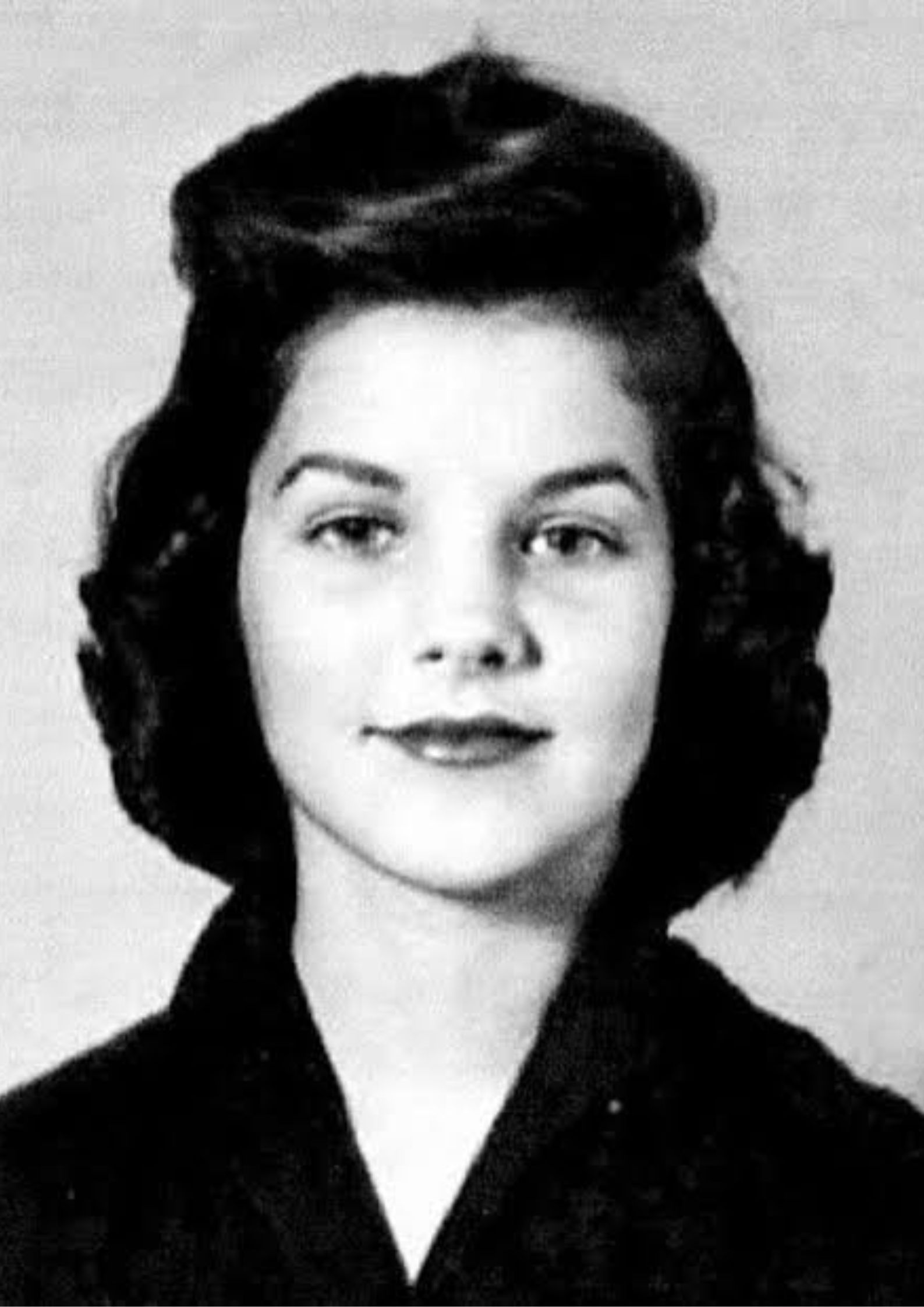
The Stage Mother’s Blueprint: THE SHOCKING Childhood Rivalry and Hidden Pressures That Groomed Priscilla Presley
Before she was the mesmerizing teenage bride of the King of Rock and Roll, she was Priscilla Beaulieu—a young girl navigating a childhood of migratory military existence, intense social expectation, and an ambitious domestic grooming that would shape her destiny long before she ever met Elvis Presley.
While popular history portrays Priscilla as a timid, innocent schoolgirl plucked by chance from an American military base in Germany, investigative biographers have uncovered a far more complex and calculated reality. Within her early years lies the story of a fiercely competitive household, a childhood friendship fractured by parental ambition, and a relentless “stage mother” who determined early on that her daughter would not live an ordinary life.
The most revealing glimpse into this formative period is detailed in Suzanne Finstad’s controversial biography, Child Bride: The Untold Story of Priscilla Beaulieu Presley. Through Chapter Five, aptly titled “Stage Mother,” Finstad reconstructs Priscilla’s pre-teen years in Austin, Texas, drawing on candid recollections from childhood friends, neighbors, and classmates. The emerging portrait is not one of passive innocence, but of a young girl actively, sometimes painfully, being prepared for a life in the spotlight.
The Competition for the Spotlight
At the heart of Priscilla’s Austin years was her relationship with Pam Rutherford. By age eleven, the two girls were inseparable, living across the street from one another, calling each other daily, and dominating the social landscape of their sixth-grade class.
Yet, as classmates and Rutherford herself recalled, their bond was constantly undercut by an intense, adult-driven rivalry. Behind the girls’ natural competition was Priscilla’s mother, Ann Beaulieu, whose vision for her daughter reportedly turned playdates into a battleground for social supremacy. “I don’t think there would have been any rivalry between us if her mother hadn’t made it that way,” Rutherford later reflected, pointing to a persistent atmosphere of comparison that defined the Beaulieu household.
Ann Beaulieu’s ambitions for Priscilla were evident from her daughter’s earliest years. Long before the family’s military transfer to Texas, Ann had entered Priscilla in baby pageants, beauty contests, and community talent showcase events, meticulously curating elaborate scrapbooks of her victories.
While most mothers might take natural pride in a beautiful child, neighbors and friends remembered Ann’s dedication as something far more deliberate. “Ann always seemed to have a plan for Priscilla,” one associate recalled, observing how the mother’s intense focus on her daughter’s appearance, posture, and public poise seemed designed to cultivate an exceptional, highly visible future.
The $40 Election and Family Pride
The simmering tensions of this groomed existence famously erupted during an otherwise ordinary sixth-grade Halloween carnival. The school had organized a fundraising contest to crown a “Carnival King and Queen,” where votes were cast via penny donations to the school fund. What should have been a lighthearted school event rapidly escalated into a proxy war between the Beaulieu and Rutherford households.
Both mothers spent weeks crafting elaborate, expensive royal costumes for the coronation. But as the campaign grew more intense, the emotional toll on the twelve-year-old Priscilla became visible. Decades later, Priscilla herself would acknowledge the immense pressure she felt, admitting she had desperately wanted to withdraw from the race but was terrified of failing her parents.
The contest reached a controversial climax when rumors swirled among the student body that the Beaulieu family had secured Priscilla’s victory through a last-minute $40 check (a substantial sum in the mid-1950s) sent by her grandparents to buy the crown.
Whether the transaction was a legitimate donation or a calculated purchase, the fallout was immediate: Priscilla won the crown, but the triumph cost her her closest friendship, leaving behind a young girl who had learned that affection and achievement were inextricably linked.
The Myth of the Timid Heiress
This ambitious environment also challenges the popular historical narrative of Priscilla’s natural temperament. While Priscilla’s own memoir, Elvis and Me, often emphasizes her natural shyness and anxiety, her Austin peers remembered a different girl—one who was socially confident, acutely aware of her own magnetism, and capable of navigating early teenage romance with surprising assertiveness. Peer accounts of spin-the-bottle games, early relationships, and social maneuvering depict a young woman far more socially equipped than the passive figure of lore.
When a fourteen-year-old Priscilla eventually encountered a twenty-four-year-old Elvis Presley in Wiesbaden, Germany, in 1959, she was not unequipped for the overwhelming demands of his world. She had already spent years under the relentless gaze of a mother who demanded perfection, navigating high-stakes social rivalries, and internalizing the belief that her worth was tied to her ability to captivate.
Priscilla Presley would eventually endure the suffocating isolation of Graceland, navigate a highly scrutinized marriage, and ultimately build her own multi-million-dollar empire after Elvis’s death. But the blueprint for her survival—and the relentless drive that allowed her to navigate the treacherous waters of global fame—was not created in Memphis. It was forged years earlier in Austin, Texas, by a mother who believed her daughter was born to be queen, no matter the cost.
Now, you have seen the early forces that shaped the woman behind the legend. Did Ann Beaulieu’s intense drive protect Priscilla for the massive life that awaited her, or did it strip away the ordinary childhood she deserved? Can a child ever truly find their own voice when they are living out their parents’ unfinished dreams?
Video:
https://youtu.be/uKdQmuqFLas?si=UiztJRQK4sEOn7ki