Introduction
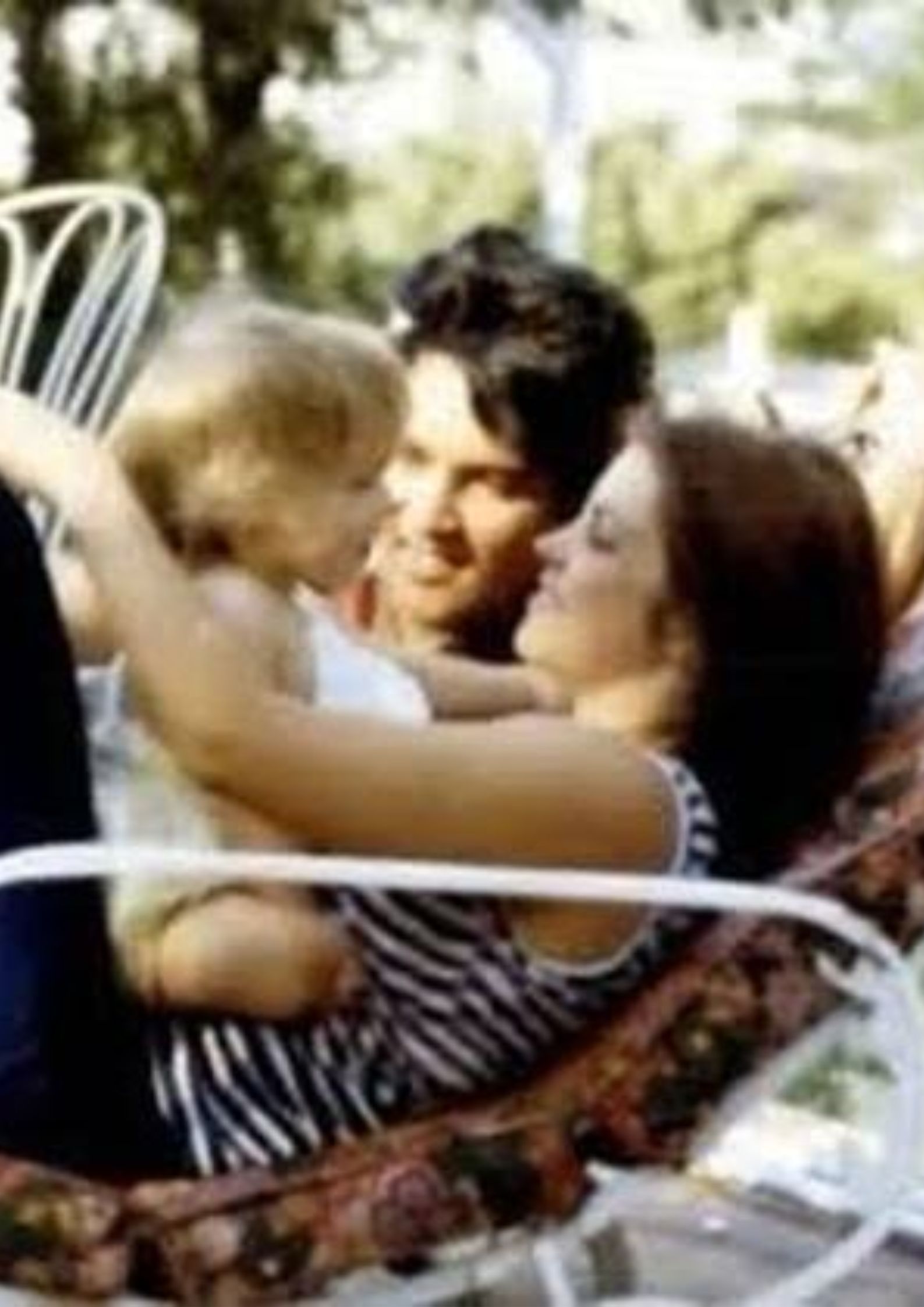
The Heartbreaking Agony of the “King of Rock and Roll”: Adored by the Entire World, Yet Forced to Live a Life of Deception and Cold Isolation?
For millions of fans, the name Elvis Presley is a symbol of perfection, power, and unprecedented glamour. But few dare to face the bitter and ruthless truth hidden behind his rhinestone-encrusted cape: beneath the sold-out arenas and roaring cheers lies a completely isolated man, desperately asking his close friend a heart-wrenching question at 5:30 in the morning: “Does she love me… or Elvis Presley?”
The Trap of Love and the Fear of Deception
Around 1976 in Las Vegas, while standing on the balcony of his penthouse suite in the freezing dawn light alongside longtime associate Larry Geller, Elvis stripped away his superstar facade to reveal a deeply wounded soul. He desperately yearned for a genuine home, longed to find a soulmate to marry, and deeply dreamed of having a son.
However, that very immense fame suffocated his chances of being truly loved. Elvis could never distinguish whether affection was genuine or simply adoration directed at an idol. This harsh reality turned the romantic life of the “King of Rock and Roll” into a gilded cage of torment and suspicion.
The Bloody Money-Making Machine and the Tragedy of Being Worn Out
Not only was Elvis trapped in romantic stagnation, but he also faced profound career frustration. He despised repeating boring movie scripts and longed for a revolution to find peace. But time had turned its back on him.
The pressure of a relentless touring schedule battered his physical body day by day. A chilling piece of evidence was revealed: roughly four months before his death, while Elvis was suffering and being treated by Dr. Nick in a Louisville hotel room, Colonel Tom Parker—his ruthless manager—pounded on the door and stubbornly forced Elvis onto stage to perform at all costs. Public opinion often lazily labeled Elvis a “drug addict,” but family members like Donna Presley angrily spoke out against this cruel narrative: he was destroyed by insomnia, exhaustion, and the medical practices of that era, rather than mere personal downfall.
The Run from Death That Came Too Late
Elvis had desperately wanted change. He wanted to overhaul his management team, discard a suffocating lifestyle, find normality, and rediscover himself. He hoped for a second chance to correct his mistakes and save his life.
Yet the hourglass had run out. On August 16, 1977, Elvis Presley passed away permanently, leaving behind the most haunting question in music history: What would the life of the “King of Rock and Roll” have looked like if he had been given more time to save himself?