Introduction
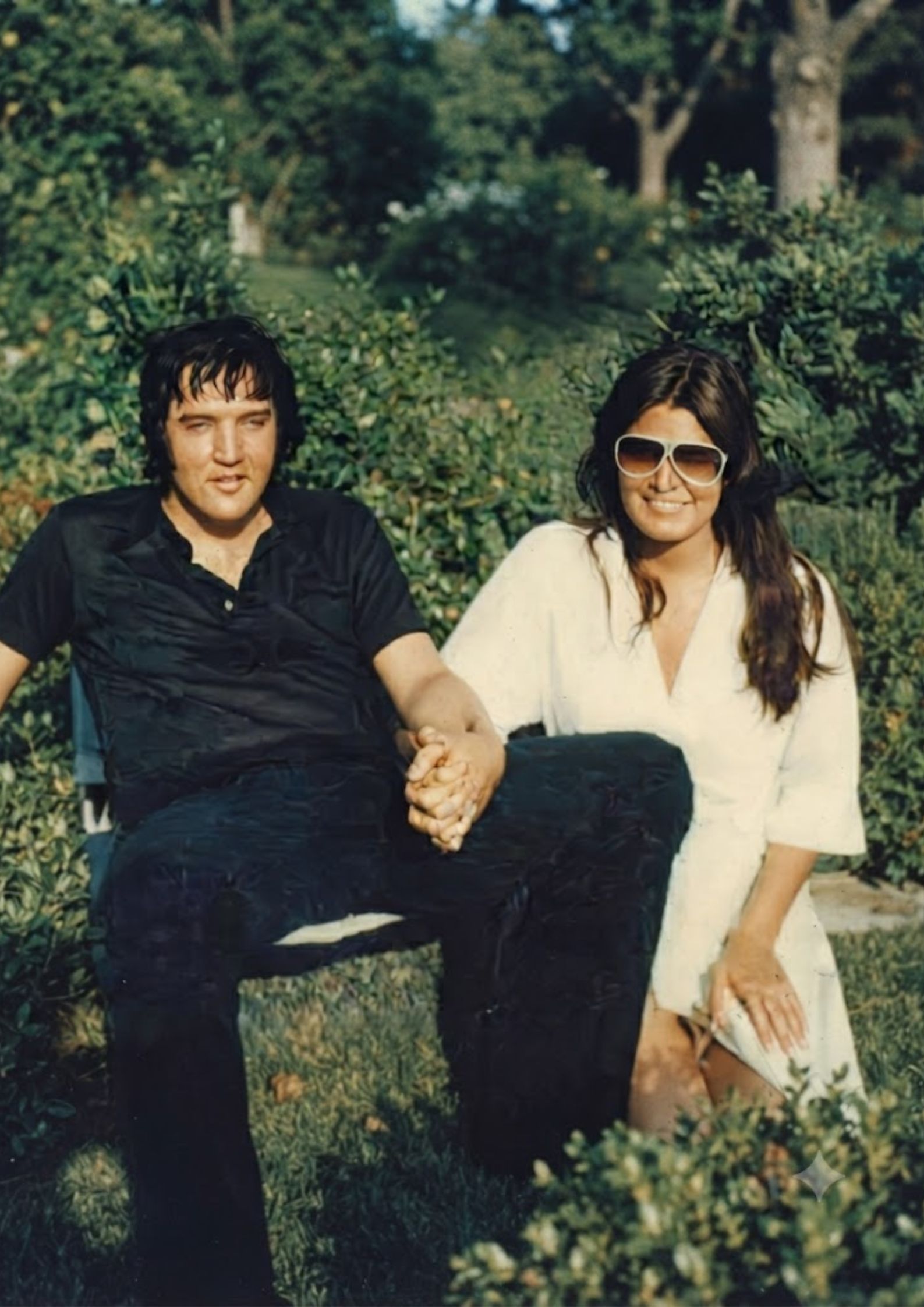
CONTROVERSIAL TRUTH: Did Elvis Presley Truly Love Ginger Alden, or Was She Merely a Living Reflection of His Departed Mother?
For millions of devoted fans who have walked the hallowed grounds of Graceland and kept the flame of the golden era alive, the final chapters of Elvis Presley’s life remain a subject of profound fascination and sorrow. Beyond the roaring crowds, the glittering concert jumpsuits, and the timeless melodies, the King’s private world was one of deep emotional complexity. Among the most intriguing elements of his final months is his whirlwind relationship with nineteen-year-old Ginger Alden. For mature and discerning readers who look past the surface-level celebrity headlines, a poignant psychological question lingers: Was this final romance a genuine turning point, or was Elvis unconsciously seeking the comforting ghost of his beloved, departed mother?
Biographical accounts and firsthand recollections from those inside the inner circle reveal an immediate, almost overwhelming intensity when Elvis first laid eyes on Ginger. Struck by an almost otherworldly connection, the King remarked that she looked straight through him. Yet, what is most revealing about this sudden obsession are the words Elvis himself repeatedly shared with close confidants. He frequently noted that Ginger’s dark hair, deep-set expressive brown eyes, and facial features bore a striking resemblance to those of his mother, Gladys Presley. To Elvis, looking into Ginger’s eyes evoked the comforting sensation of falling back into his mother’s gaze.
For seasoned observers of human nature, this profound parallel offers a window into the inner workings of a lonely icon. Having experienced the devastating, premature loss of his mother during his youth—a foundational trauma that haunted him throughout his adult life—Elvis spent his final years searching for an anchor. As his physical health declined and the heavy pressures of global superstardom closed in, the desire for pure, unconditional comfort became paramount. Whether his attachment to Ginger was an authentic romance or a desperate psychological yearning to resurrect the lost sanctuary of his youth, it underscores the deep vulnerability of a man who had given everything to the world yet remained searching for peace at home.
Ultimately, history views the final romance of the King through a lens of bittersweet tragedy. Looking beyond the public myths allows us to see a deeply human figure striving for emotional salvation, reminding us that even the greatest legends of our time were driven by simple, universal needs for love, remembrance, and belonging.