Introduction
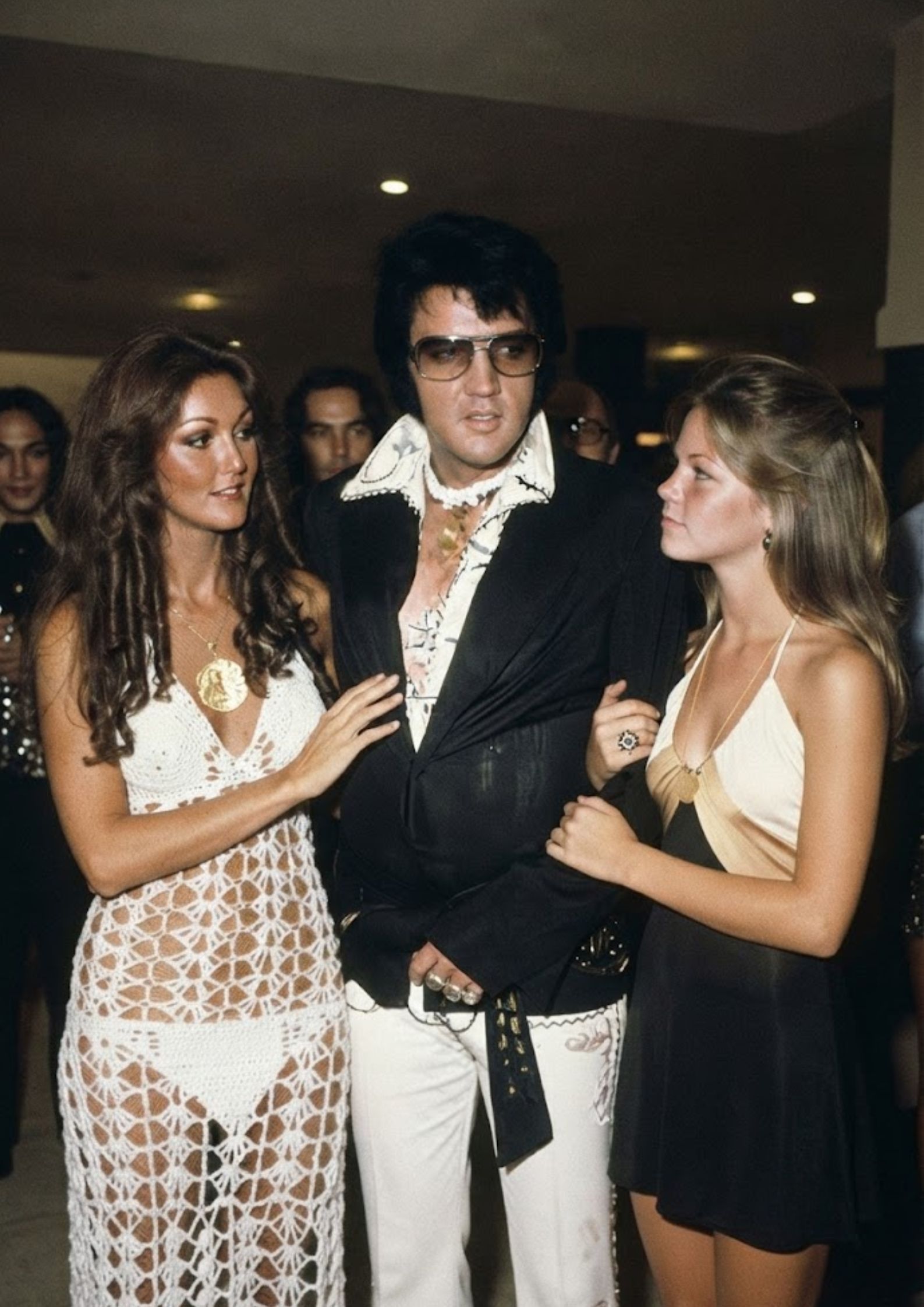
The Shocking Truth Behind Graceland’s Doors: How Elvis Presley Secretly Juggled Multiple Women in an Elaborate Inner Circle
When exploring the intricate personal life of Elvis Presley, historians and devoted admirers often uncover stories that stretch far beyond the gleaming stage lights and roaring concert halls. Within the heavily guarded gates of Graceland, the King of Rock ‘n’ Roll lived a life defined by deep contrasts—surrounded by constant companionship yet profoundly isolated. Among the most fascinating dynamics of his later years were the quiet, overlapping relationships he maintained with remarkable women like Linda Thompson and Sheila Ryan, whose contrasting personalities offered a unique window into his private world.
Linda Thompson, who entered Elvis’s life after her time as Miss Tennessee, resided at Graceland and embraced a structured, deeply devoted role by his side. She acted as a steadfast confidant during the long, nocturnal hours, absorbing the immense pressures and emotional weights that accompanied his extraordinary fame. However, the complex reality of Elvis’s world often meant sharing his attention, as other companions navigated the periphery of his inner circle.
Sheila Ryan entered the picture during his tours in Las Vegas, bringing a refreshing, free-spirited energy that contrasted with the more demanding household dynamics. Described by those close to the inner circle as remarkably sweet, beautiful, and possessing a quiet charm, Sheila approached her time with Elvis with a sense of surreal wonder. While Linda maintained her prominent presence at Graceland, logistical adjustments—such as arranging brief trips or vacations when schedules overlapped—became part of the unique rhythm managed by trusted associates like Joe Esposito.
Neither woman sought out the overwhelming demands of a permanent, traditional marriage under such intense public and private scrutiny. Sheila ultimately chose a path toward personal independence and her own career trajectory, recognizing that the consuming lifestyle of superstardom required sacrifices she was unwilling to sustain. Similarly, Linda’s eventual departure marked a pivotal turning point in her own life, allowing her to step out of the heavy shadow of the King’s legend and rebuild her individual identity.
Ultimately, the accounts shared by companions like Sheila Ryan and Linda Thompson provide mature readers with a deeply human perspective. They remind us that behind the mythos of Elvis Presley were real people navigating complex loyalties, profound affection, and the delicate balance between public adoration and private reality.