Introduction
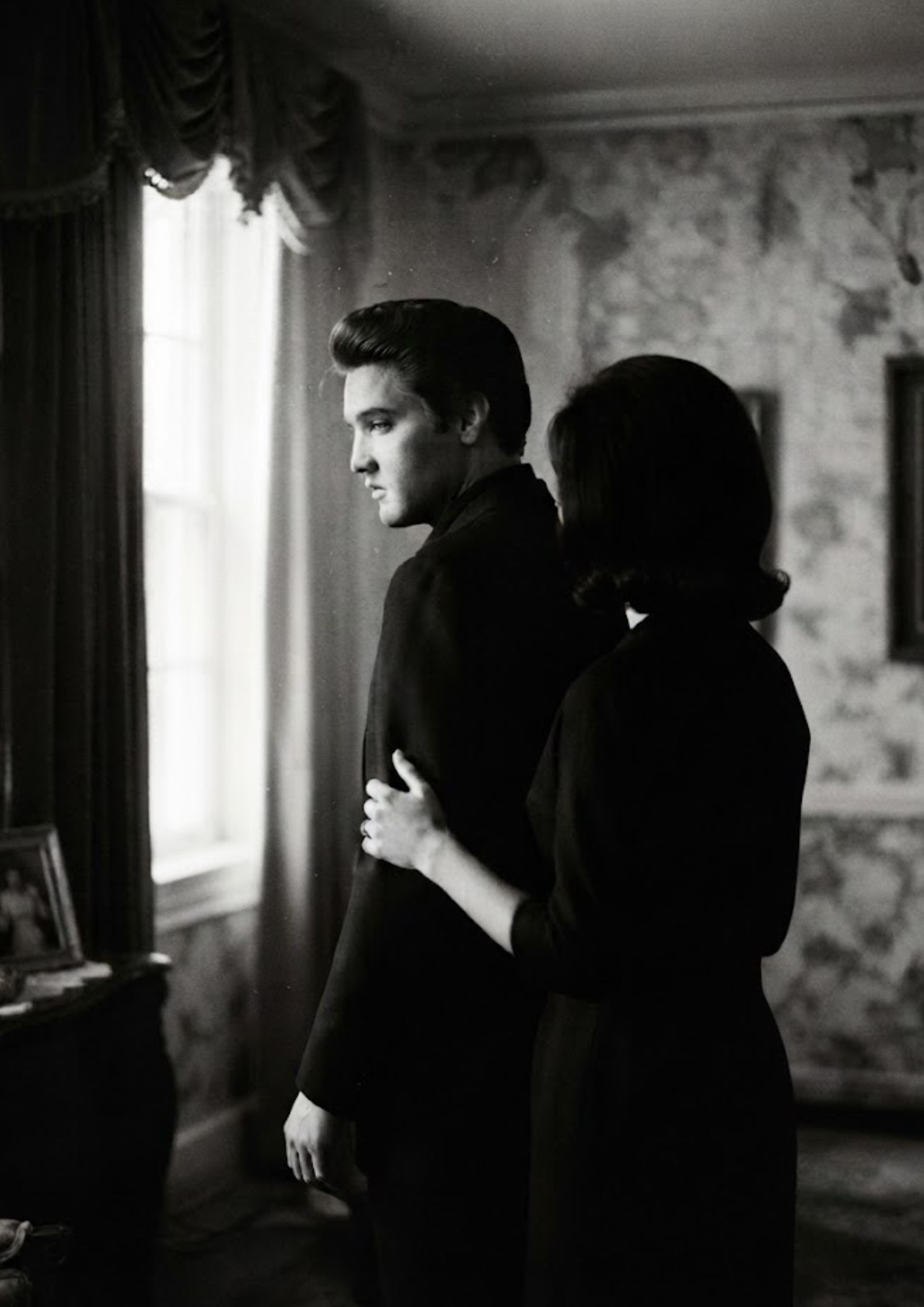
Behind the Graceland Spotlight: A Portrait of the Women Who Passed Through Elvis Presley’s Life
When we reflect on the monumental legacy of Elvis Presley, our minds naturally drift to the velvet baritone, the electrifying stage presence, and the timeless melodies that forever changed the landscape of popular music. Yet, standing just outside the blinding glare of the spotlights were the remarkable women who shared chapters of his extraordinary life. From high-profile marriages to steadfast companionships during his twilight years, these women offered grace, emotional sanctuary, and a grounding human connection to a man who belonged to the world.
At the center of his marital history was Priscilla Presley, whose journey from a young teenager in Germany to the mistress of Graceland captured the global imagination. Their wedding in 1967 felt like a modern fairy tale, bringing a sense of traditional domesticity into an otherwise chaotic world of touring and Hollywood film sets. However, the relentless demands of superstardom and the immense pressure of living under a microscope eventually led to their amicable separation in 1972 and subsequent divorce. Priscilla’s path demonstrated the profound difficulty of balancing personal identity and family life against the consuming tide of global fame.
Following his separation, Elvis found a profound and steady anchor in Linda Thompson, who entered his life in the summer of 1972 as a former beauty queen. Over the course of four and a half years, Linda offered a gentle, protective presence during the long, nocturnal hours at Graceland. Far from a fleeting romance, she became a trusted confidant who listened to his deepest vulnerabilities and helped shoulder the emotional burdens of an icon who was deeply isolated by his own myth. Her choice to maintain a dignified silence for decades rather than exploit their shared history speaks volumes about her enduring loyalty and respect for the man behind the music.
Other figures, such as Kathy Westmoreland, also offered poignant insights into the realities of the King’s inner circle, noting that the overwhelming lifestyle of a superstar required a level of sacrifice few could sustain. Ultimately, these women were much more than mere footnotes in a rock star’s biography. They were confidants, caretakers, and pillars of strength who navigated the delicate space between immense public adoration and quiet, human vulnerability. Their stories remind us that while Elvis gave his soul to his audience, it was these devoted companions who shared in the quiet, complex reality of his remarkable life.